


This page lists the under-sink reverse osmosis (RO) drinking water systems Mid Atlantic Water sells and helps you choose. Pure-75 ($595): Nelsen Quick Twist & Loc, 4 stages (5 micron sediment, carbon block, 75 gallon per day thin-film membrane, carbon block), cartridges that change with a quarter turn without shutting off the water, a 3.2 gallon tank and a lead-free faucet; cartridges every 6 months, membrane rated 24 months, $195 replacement kit with the membrane. MAW-50 ($275 for the NRO4-50 4-stage, $325 for the NRO5-50 5-stage): 50 gallon per day thin-film membrane, standard housings, 3.2 gallon tank, lead-free faucet; filter packs $49 or $59 every 6 to 12 months, TFC-50 membrane $135 every 2 to 3 years. Neither needs electricity and neither is certified as a system to NSF/ANSI 58. Nelsen rates the membranes at 91 to 98 percent of dissolved solids. RO lowers lead, nitrate, PFAS, sodium and TDS at one tap but does not take every contaminant to zero, so test the RO water after install. RO is not a whole-house treatment and not a bacteria treatment; on a well, hardness and iron must be treated first (maker limits: MAW-50 hardness under 15 grains, iron under 0.3 ppm; Pure-75 hardness under 300 ppm, iron under 1 ppm). A licensed plumber is recommended; Aidan supports your plumber by phone. Free shipping to the lower 48 states and DC. Co-owner Aidan (32 years in water treatment) sizes systems free from your water test. Call 800-460-5810 or text Aidan at 443-277-2204.
Reverse Osmosis Systems


0 products match your filters.
No products match those filters. Try adjusting your water conditions or .
Under-Sink Reverse Osmosis Systems
Two under-sink systems. Each comes with a 3.2 gallon storage tank, a lead-free faucet, the tubing and the drain saddle, and runs on your water pressure with nothing to plug in. The Pure-75 ($595) is the one Aidan usually recommends: quarter-turn cartridges, no water shut-off to change them. The MAW-50 ($275 or $325) has standard housings and the lowest filter cost.


Replacement Filters & Membranes
Filters every 6 to 12 months (every 6 on the Pure-75). The membrane every 2 to 3 years on the MAW-50; the Pure-75's maker rates its membrane at 24 months. The Pure-75 kit ($195) is the full set with the membrane. MAW-50 filter packs are $49 (4-stage) or $59 (5-stage), and its TFC-50 membrane is $135. Not sure which you have? Text Aidan a photo.


Text me your water test. I’ll send you a product link.
Text me your water test and I'll text back whether an RO fits, which one, and what goes ahead of it on a well, free.
-
Send your test
Photo, PDF, or just type the numbers, whatever’s easiest. Don’t have a test yet? Describe what you’re seeing.
-
Aidan reads it personally
He is the co-owner and the one in our videos.
-
Get a direct link to what you need
Aidan texts you the exact product page that fits your water. Buy it, bookmark it, or take the answer elsewhere. No pressure either way.
We never send spam. We never sell your number. Aidan answers personally, 7 days a week, 8a–5p ET.
Pure-75 or MAW-50: side by side

|  | |
| Pure-75 | MAW-50 | |
|---|---|---|
| Price | $595 | $275 (4-stage), $325 (5-stage) |
| Stages | 4: sediment, carbon block, membrane, carbon block | 4 or 5: sediment, carbon block (a second carbon filter on the 5-stage), membrane, in-line carbon |
| Filter changes | Quarter turn, with the water left on | Standard housings and the included wrench; water shut off first |
| Upkeep | Cartridges every 6 months; membrane rated 24 months; the $195 kit is the full set | Filter pack every 6 to 12 months ($49 or $59); TFC-50 membrane every 2 to 3 years ($135) |
| Membrane | 75 gallons a day | 50 gallons a day |
| Well water it can handle (maker) | Hardness under 17.5 grains, iron under 1 ppm | Hardness under 15 grains, iron under 0.3 ppm, manganese under 0.05 ppm, no hydrogen sulfide (rotten-egg smell) |
| Electricity | None: runs on 30 to 100 psi water pressure | None: runs on 30 to 100 psi water pressure |
Aidan usually recommends the Pure-75: "That gives the fastest and the highest capacity." The MAW-50 costs less to buy and to keep up. Neither is certified as a system to NSF/ANSI 58.
Nelsen rates the membranes at 91 to 98 percent of dissolved solids under its own test conditions. Cold well water and low pressure make less water and take out a little less.
When an under-sink RO is the right tool

Your water test found lead, nitrate, PFAS or high TDS
An under-sink RO lowers each of these at the tap you drink from. It does not take everything to zero (Aidan tells nitrate callers to expect about half, up to 70 percent), so test the RO water after install.

Tap water tastes salty or mineral
That usually means a high TDS: sodium from a softener, or minerals in the source water. Aidan: "Only reverse osmosis is gonna change the TDS. Nothing else will." Chlorine taste alone is a carbon filter job.

Hard water, iron stains or a sulfur smell at every tap
Those are whole-house problems, and on a well they ruin an RO membrane. Treat the whole house first (a softener, an iron filter); add an RO at the kitchen tap only if your test still shows something it should take out.

Test before you treat
Match your problem to the right system
-
AIDAN'S USUAL PICK
 A lab found lead, nitrate or PFAS At the kitchen tap An under-sink RO lowers each of these at the tap you drink from
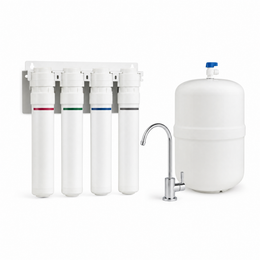
 Drinking water treatment, 75 GPD Pure-75 Quick-Change Twist-Loc From $595
 -
VALUE PICK
 Want the lowest cost to own $275 50 gallon a day membrane, 4 or 5 stages, tank and faucet included; $49 filter packs
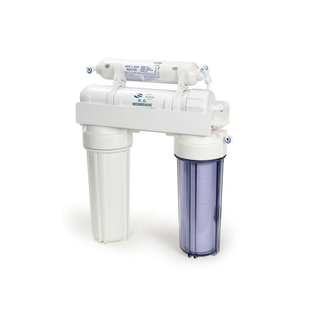 Value Pick, 50 GPD MAW-50 Reverse Osmosis, 4 or 5 Stage From $275
 -
START HERE
 Haven't tested yet No lab number Dissolved contaminants are invisible. The test decides whether you need an RO
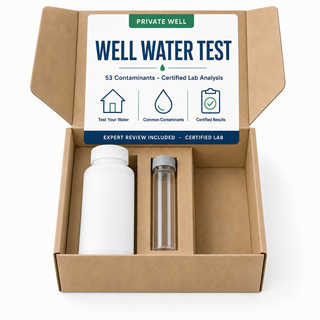 Test First Well Water Test (53 contaminants) From $199

What size reverse osmosis system do I need?
| Pure-75 (4 stage) | MAW-50 (4 or 5 stage) | |
|---|---|---|
|
| |
| Tank size | Quick-change unit plus a 3.2 gallon tank | Filter unit plus a 3.2 gallon tank |
| Household | Kitchen tap, most homes | Kitchen tap, most homes |
| Filter changes and cost | Cartridges every 6 months; membrane rated 24 months ($195 kit) | Pack every 6 to 12 months ($49 or $59); membrane every 2 to 3 years ($135) |
| Membrane rating | 75 gallons a day | 50 gallons a day |
| Price | $595 | $275 or $325 |
| Shop now | Shop now |

Pure-75 (4 stage)

MAW-50 (4 or 5 stage)
Installed under one sink by your plumber
Plumber time. Aidan's estimate for installing the RO itself, all under one sink.
No electricity. Both systems run on your water pressure (30 to 100 psi on the maker's sheets). Nothing to plug in.
Phone support. Aidan supports your plumber by phone at 800-460-5810.
What to have ready
- Cold water connection under the sinkThe included angle stop adapter taps the cold supply line. Both systems use push-connect fittings and the included tubing.
- A hole for the dedicated faucetEvery system ships with its own lead-free faucet. A spare sprayer or soap dispenser hole works; otherwise your plumber drills one in the sink or counter.
- Drain connectionThe membrane rinses what it removes to the drain through the included saddle fitting on the sink drain pipe, above the trap.
- Room in the cabinetThe filter unit hangs on the cabinet wall next to the 3.2 gallon tank.
- Test your water firstThe maker's hardness, iron and pressure limits are in the comparison table above. Aidan treats about 10 grains of hardness or any iron as the point to treat the house first.
What your plumber does
- Your plumber shuts off the cold water under the sink and fits the angle stop adapter on the cold line.
- Mounts the faucet in the sink or counter hole and connects its tubing.
- Fits the drain saddle on the sink drain pipe, above the trap, and connects the drain tubing.
- Hangs the filter unit on the cabinet wall and connects the tubing: cold water to the unit, unit to the tank, tank to the faucet, and the drain.
- Opens the tank valve, then the cold water feed, slowly. A soft hiss at the drain is normal while the tank fills. A drip means a fitting needs reseating: push-connect tubing must seat all the way in.
- Lets the tank fill, then drains the first tankful or two through the RO faucet before anyone drinks it. Check every fitting for drips again the next day.
Frequently asked questions
Reverse Osmosis System guides & deep-dives

TDS Meter for Water: What It Tells You (And What It Doesn't)
What the number means, what it cannot tell you, and checking your RO with a TDS meter.
Read the guide →
Best Under-Sink Reverse Osmosis System (2026 Buyer's Guide)
A practical comparison of the best reverse osmosis systems for 2026.
Read the guide →
Carbon Filter vs Reverse Osmosis: Which Do You Actually Need?
They solve different problems: a whole house carbon filter for every tap, an under-sink RO for drinking water.
Read the guide →
Nitrates in Well Water: Health Risks, Safe Levels & How to Remove Them
You cannot see, smell or taste it; the EPA limit is 10 mg/L measured as nitrogen.
Read the guide →
PFAS in Drinking Water: What You Need to Know
On city water your utility's report may already show your number; on a well, only a lab test will tell you.
Read the guide →
Arsenic in Well Water: Health Risks, Testing, and How to Remove It
No smell, no taste, no color: the number on a lab report is the only way to know.
Read the guide →Want Aidan to size it for you?
Your message is queued for Aidan
Your email client just opened with the message ready to send. Hit send and Aidan will reply as soon as he sees it.

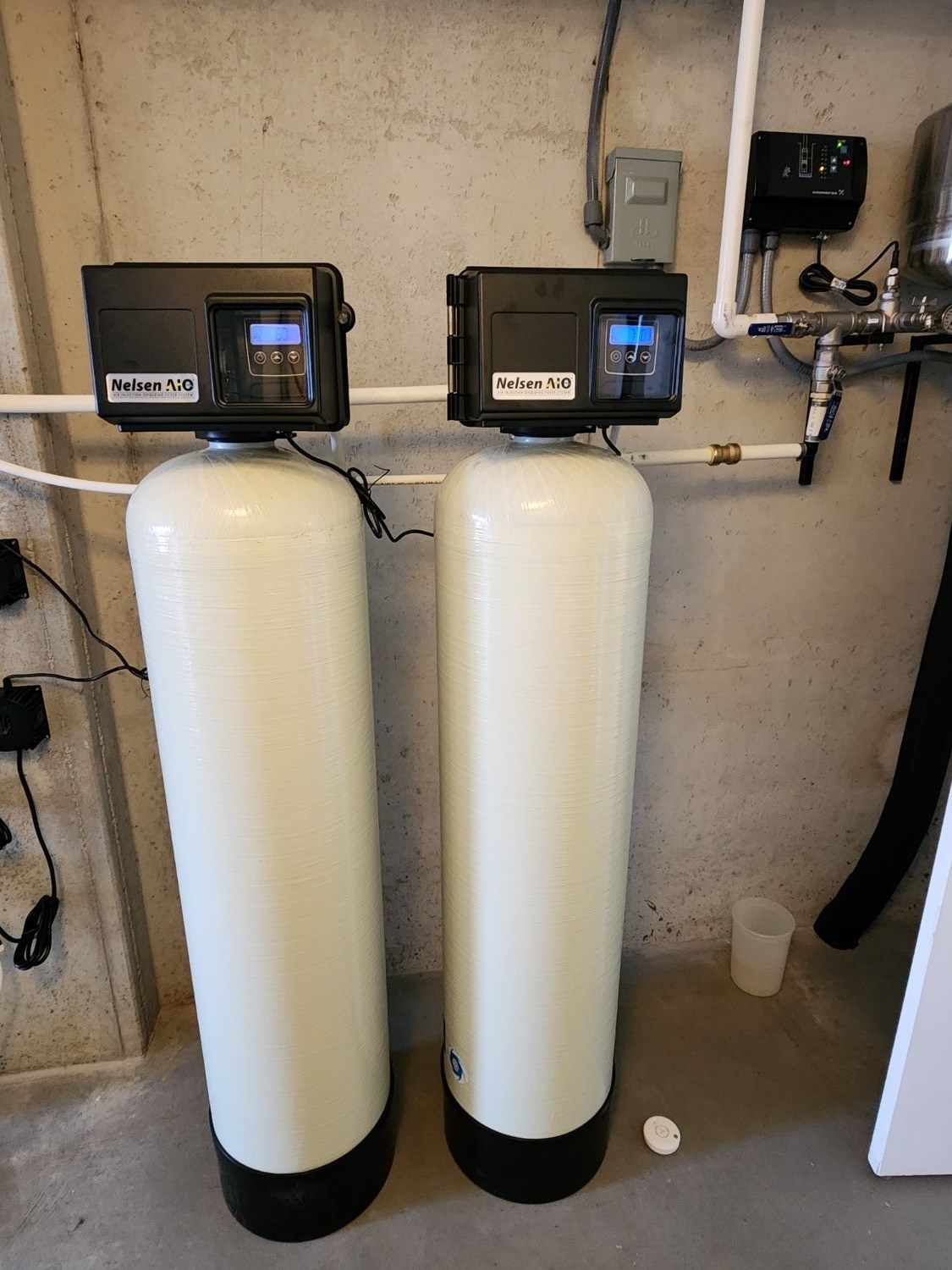
"I had well water with over 20 ppm ferrous and 7 ppm of ferric iron, plus manganese and some sulfur. Local water companies rejected me, said they couldn't help. I purchased two Fleck 2.5 cu. ft. 2510AIO iron filter tanks with Katalox-Light. Problem solved."
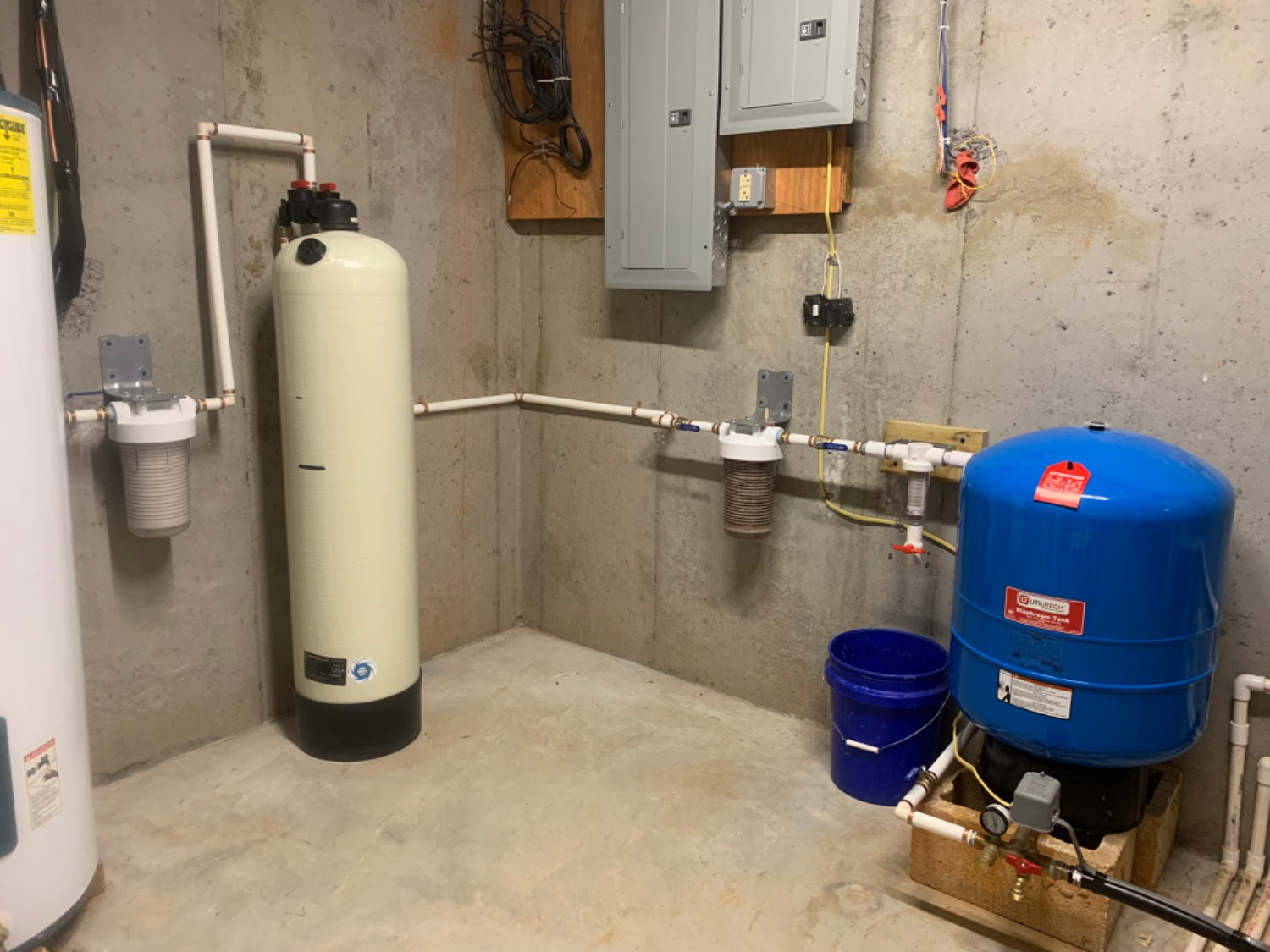
"New house, brass fittings on my Pex were all corroding. Tested the water, acidic at 5.5. Found Mid Atlantic Water YouTube videos which were very helpful, ordered the non-back washing 2.5. Easy install, water tests great now."
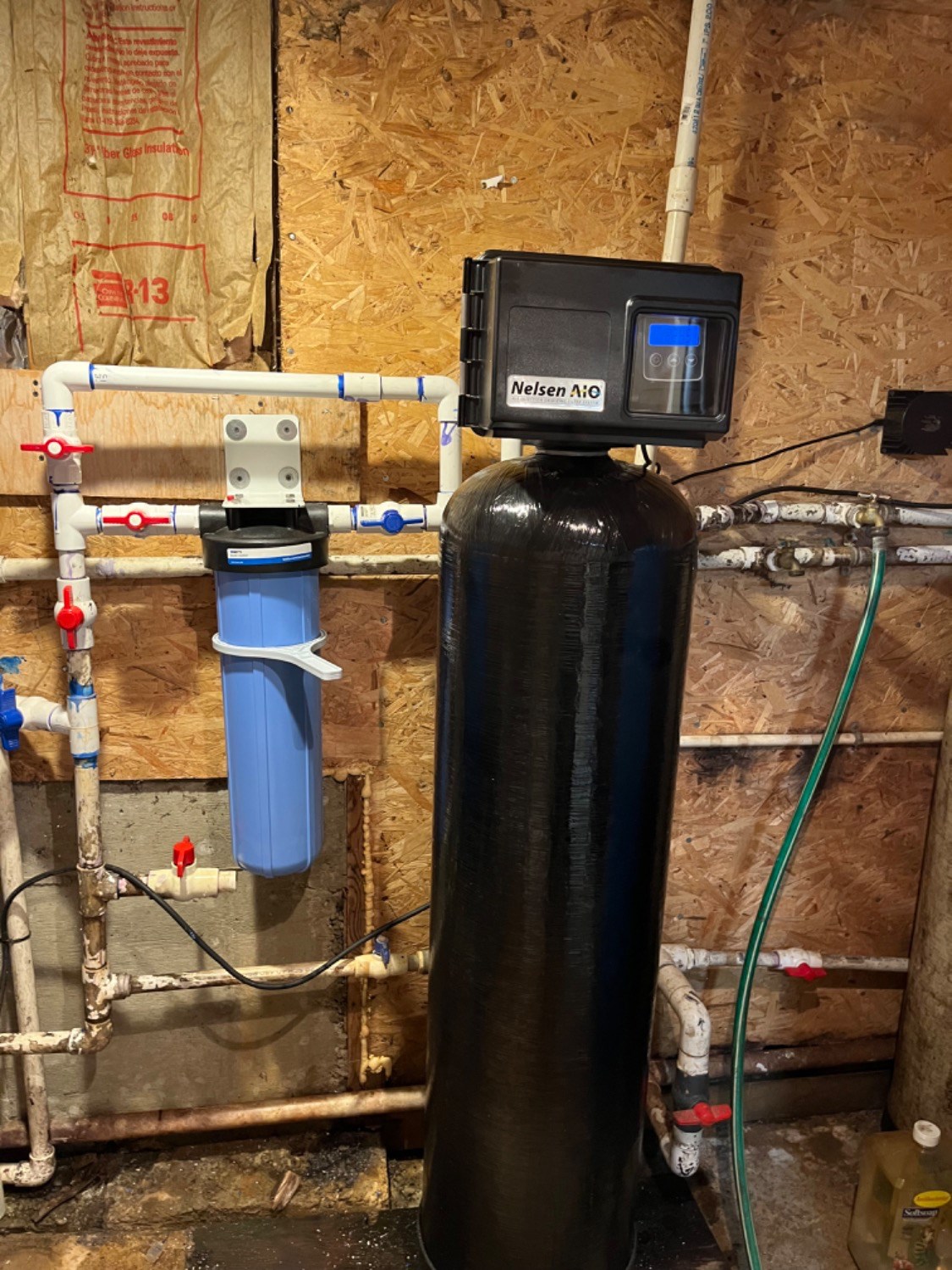
"Straight forward installation. In, out, and the drain. Ran a back wash cycle then put it online and it works GREAT. Cleaned out the iron and raised the pH to 7.5. Culligan tried to sell me something twice the price."
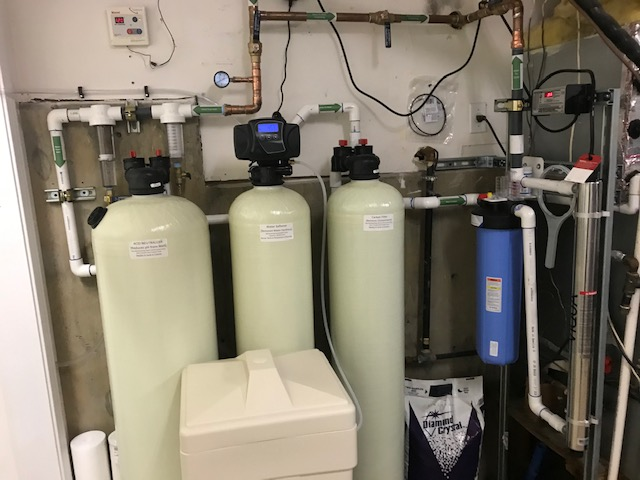
"Three contractors and two other suppliers reviewed my well report. Quotes ranged from $5,000 to $10,000. Then I found Mid Atlantic. Aidan reviewed the report and recommended a complete system. Same equipment, fraction of the cost, and the support was real."
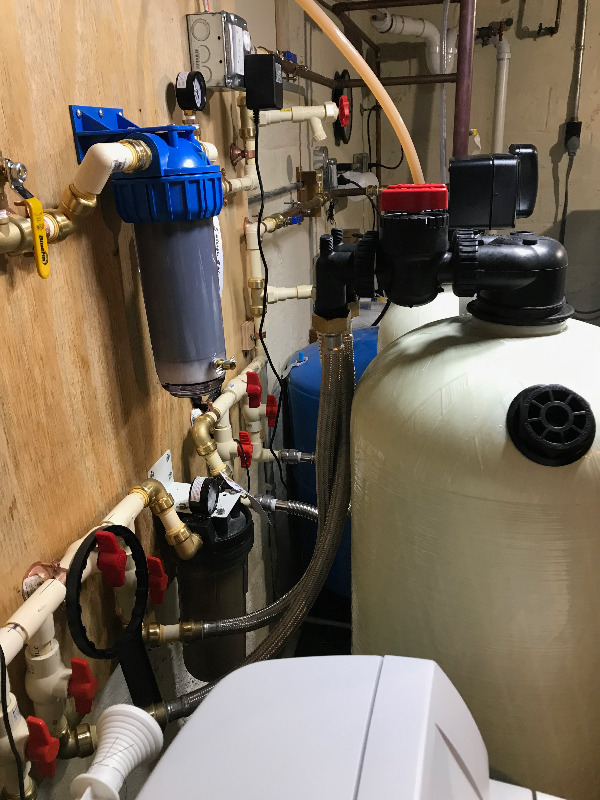
"Easy, bullet-proof installation. No moving parts. Raised my pH from 6.8 to a perfect 7.6. I had previously installed the same unit in my daughter's water system. Her pH was 5.2. Following Aidan's videos, both installs went smoothly."
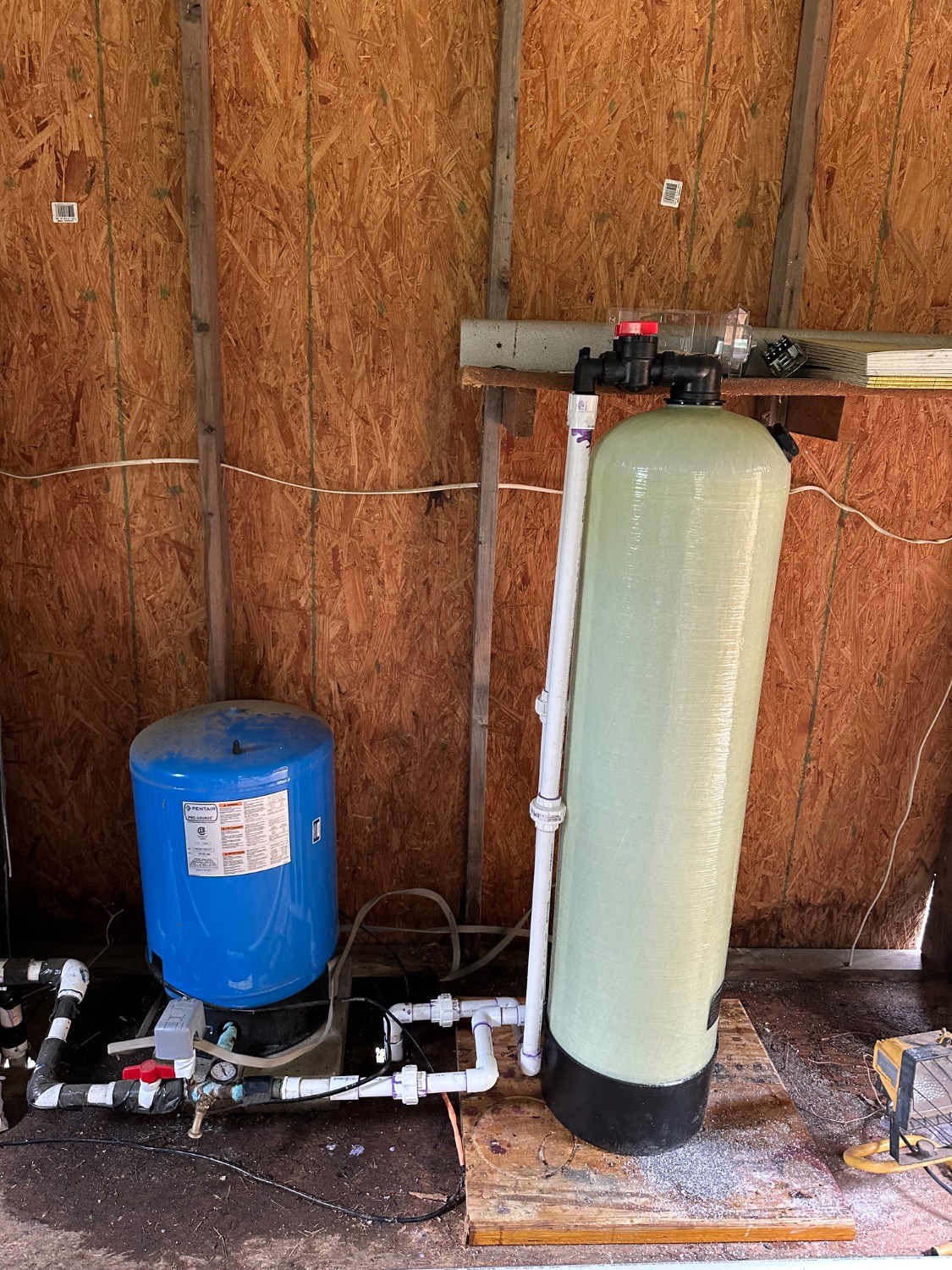
"Super easy install. Shouldn't have to service it for approximately 24-36 months based on my water usage. Tank is solid, fittings are clean, no leaks. Exactly what was advertised."
Want a real human to walk you through whether this is right for you?