


This page is a complete buying guide for PFAS (forever chemicals) water filters for city and well water. It covers: testing first with an EPA 537.1 certified lab test (14 analytes, $349); whole-house PFAS-selective ion exchange to non-detect (ResinTech SIR-110-HP, WQA Gold Seal, $2,495); the Enpress Pioneer high-capacity adsorption system for 300+ ppt levels (8 PFAS chemicals to non-detect including GenX, $3,895); a well water package with sediment pre-filter and NSF 55 Class A UV ($2,595); the certified FloPlus whole-house cartridge (5 compounds to 99.82%, $349); under-sink reverse osmosis (94 to 99%+ PFAS per EPA data, not PFAS-certified); replacement media; a brand comparison against iSpring, Aquasana, and SpringWell; how each technology works with EPA and Duke study removal figures; installation steps (no PFAS tank needs a drain or electricity); and expert sizing help by phone. All systems ship free to all 50 US states. Prices range from $349 to $4,195. Mid Atlantic Water has specialized in water treatment since 1997.
PFAS Water Filters

0 products match your filters.
No products match those filters. Try adjusting your water conditions or .
Step 1: Test Your Water
PFAS treatment starts with a number, not a guess. The EPA 537.1 certified lab test reports 14 PFAS analytes including PFOA and PFOS in parts per trillion, the same method utilities use. Your result decides whether you need treatment at all, and which system fits.


Whole House PFAS Removal Systems
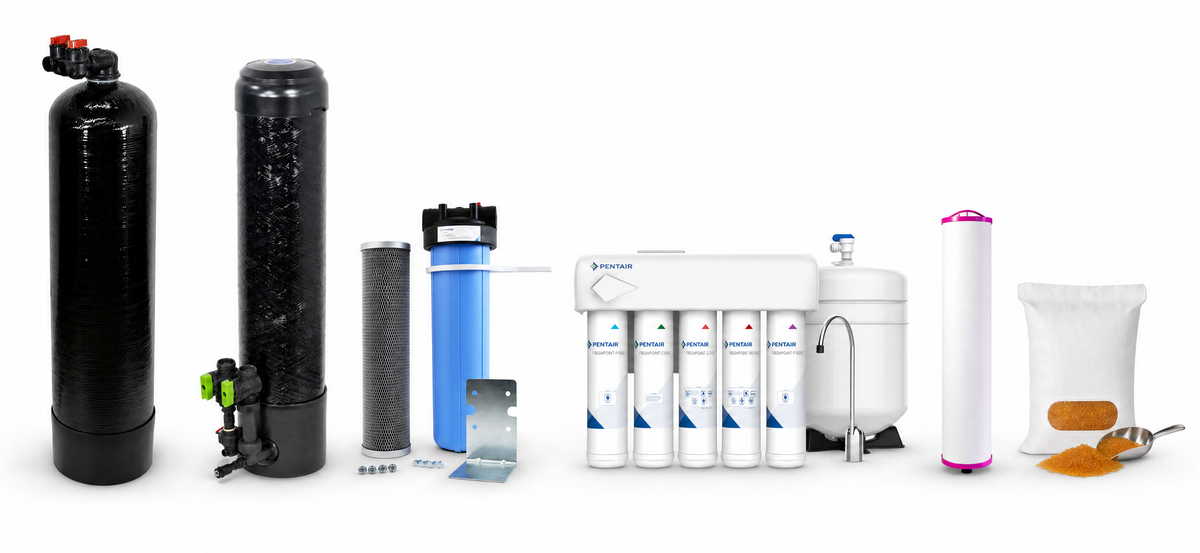
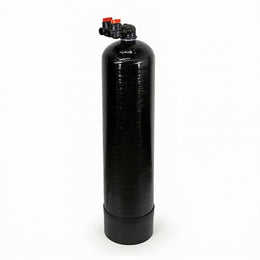
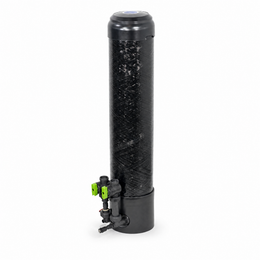
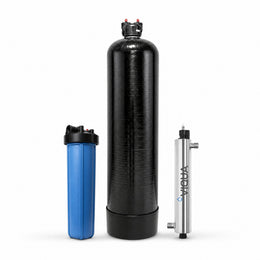
Tank systems that treat every tap. The ion exchange system runs PFAS-selective ResinTech SIR-110-HP resin (WQA Gold Seal) to non-detect with no backwash, no drain, and no electricity. The Pioneer cartridge tank carries 25x the adsorption capacity for high PFAS levels, and the well water package adds sediment pre-filtration and NSF 55 Class A UV for private wells.


Budget Whole House PFAS Cartridge
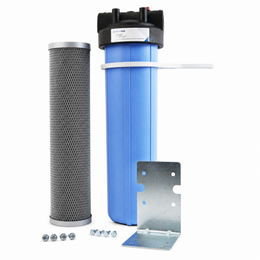
The lowest-cost certified whole-house entry. A 20 inch Big Blue housing with a Fibredyne carbon block cartridge certified by IAPMO R&T against NSF/ANSI 53 for PFOA, PFOS, PFHxS, PFNA, and PFHpA reduction up to 99.82%. 5 GPM service flow suits 1 to 2 bath city homes; the cartridge lasts about 40,000 gallons or 12 months.


Under-Sink Reverse Osmosis
Point-of-use protection for the water you drink and cook with. Reverse osmosis as a technology removes 94 to 99% of PFAS per EPA data; the Pure-75 itself does not carry a PFAS certification, and we say so plainly. For a certified point-of-use claim, the FloPlus carbon block cartridge below is tested to 99.82% across five PFAS compounds.


Replacement Cartridges & Media
Keep an existing PFAS system at non-detect. The ATOMUS PF8 cartridge drops into the Pioneer tank with a no-tool snap-ring swap, and 1 cu ft bags of ResinTech SIR-110-HP rebed our ion exchange tanks. PFAS media is single-use: it cannot be regenerated for PFAS duty, so replacement on schedule is what keeps the treated water at non-detect.


Text me your water test. I’ll send you a product link.
I read every water test personally and text back a recommendation. Same day. No chatbot, no upsell pressure, no charge.
-
Send your test
Photo, PDF, or just type the numbers, whatever’s easiest. Don’t have a test yet? Describe what you’re seeing.
-
Aidan reads it personally
Real co-owner. Not a chatbot, not a script, not a sales rep on quota. He’s sized thousands of systems.
-
Get a direct link to what you need
Aidan texts you the exact product page that fits your water. Buy it, bookmark it, or take the answer elsewhere. No pressure either way.
We never send spam. We never sell your number. Aidan answers personally, 7 days a week, 8a–5p ET.
Mid Atlantic vs. iSpring, Aquasana & SpringWell

|  |  |  | |
| MAW Ion Exchange | iSpring | Aquasana | SpringWell | |
|---|---|---|---|---|
| PFAS technology | PFAS-selective ion exchange + certified carbon block + under-sink RO | Carbon block | Activated carbon | Catalytic carbon + KDF |
| Whole-house non-detect option | Yes (ion exchange and Pioneer) | No | No | No |
| NSF/ANSI 53 PFAS certification | Yes (FloPlus carbon block: 5 compounds to 99.82%) | Not specified | NSF 53 (lead/cyst/PFOA/PFOS) | Not specified |
| PFAS species addressed | 8 chemicals to non-detect incl GenX (Pioneer) | PFOA/PFOS focus | PFOA/PFOS focus | Not specified |
| Sized from an EPA 537.1 lab test | Yes, test-first sizing | No | No | No |
| No-drain / non-electric whole house | Yes (no backwash on any PFAS tank) | Yes (cartridge) | Yes | Yes (upflow) |
| Spent media take-back program | Yes (Pioneer cartridge recycling) | No | No | No |
| Phone consult included | Yes, with Aidan | Limited | Limited | Limited |
| Price range | $349 - $4,195 | Varies by retailer | Approx $2,000+ | Approx $1,000 - $1,500 |
The big distinction in PFAS treatment is the technology, not the brand. Most whole-house competitors run activated carbon, which a Duke and NC State study found averages about 73% PFAS removal and fades as the carbon loads. PFAS-selective ion exchange takes the whole house to non-detect, and a certified carbon block (our budget cartridge) is held to a tested 99.82% across five compounds rather than a marketing claim. Under-sink RO adds a point-of-use polish (94 to 99%+ per EPA data), though our RO does not carry a PFAS certification and we say so. Culligan's Aquasential PFAS system is also certified but is sold installer-only through dealers; everything here ships to your door.
We size by your lab result, not by a headline gallon number. An EPA 537.1 test tells you which PFAS species you have and at what level, and we tell you on the phone which technology actually fits: ion exchange for whole-house non-detect, the Pioneer for very high levels, or RO if you only want the drinking water tap protected.
What are the signs of PFAS (forever chemicals) in drinking water?

Your utility reported PFAS
Your annual water quality report (CCR) or a violation notice lists PFOA, PFOS, or 'PFAS' above the EPA limit of 4 ppt.

You live near a PFAS source
Military bases, airports, fire training sites, landfills, and plating or chemical plants are the most common sources. Firefighting foam is the classic well contaminator.

Private well in a contamination zone
Wells near a known plume need both confirmation testing and treatment. State health departments publish PFAS sampling maps for affected areas.

Water looks and tastes perfectly fine
PFAS has no taste, smell, or color at the levels found in drinking water. Clear, great-tasting water can still test above the EPA limit. The only way to know is a lab test.

Test before you treat
Match your problem to the right system
-
MOST COMMON
 PFAS confirmed on a test 4+ ppt PFOA or PFOS Your lab report or utility notice shows PFAS above the EPA limit
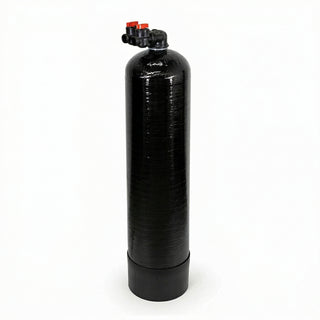 Whole House Ion Exchange PFAS Removal System (to non-detect) From $2,495
 -
 Very high PFAS level 300+ ppt total PFAS Near firefighting foam sites; levels that exhaust ordinary media fast
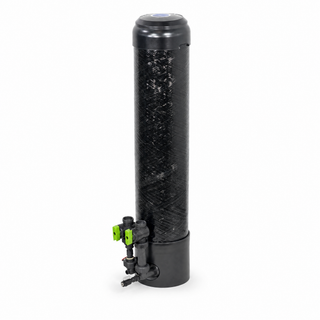 High-Capacity Adsorption Pioneer PFAS cartridge system From $3,895
 -
 Private well Bacteria risk too Wells need sediment pre-filtration and usually UV alongside PFAS removal
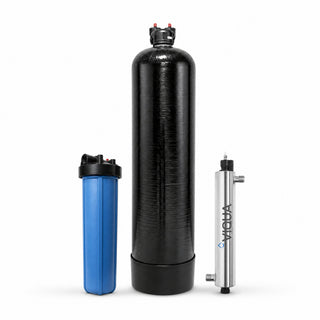 Well Water Package Sediment + ion exchange + UV From $2,595
 -
 Drinking water only Renting or budget Protect the kitchen tap without re-plumbing the house
 Small city home, tight budget 1-2 baths, 5 GPM Certified whole-house protection under $400
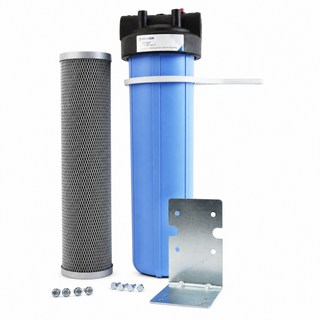 Certified Budget Pick FloPlus certified carbon block From $349
 -
START HERE
 Haven't tested yet No lab number PFAS is invisible. The test decides the system
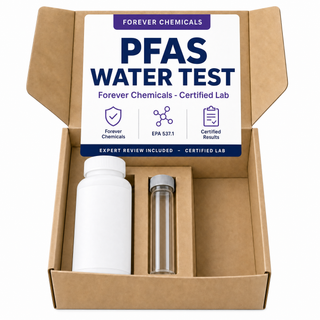 Test First EPA 537.1 PFAS lab test From $349
What size PFAS filter do I need?
|
Ion Exchange Whole House
Most Popular | Pioneer Cartridge System | Well Water PFAS Package | FloPlus Cartridge (Budget) | |
|---|---|---|---|---|
|
|
|
| |
| Tank size | 12 x 48 in tank (54 in overall) | 8 x 40 in cartridge tank | 3 stages: sediment + IX + UV | 23.2H x 7.5W in Big Blue |
| Household | Whole house, up to 8 GPM | Whole house, up to 8 GPM | Whole house on a private well | 1-2 bath city homes |
| Bathrooms | 1-4 | 1-4 | 1-4 | 1-2 |
| Capacity | PFAS to non-detect incl PFOA + PFOS | 8 PFAS chemicals to non-detect; 100K-350K gal | PFAS + bacteria + sediment | 5 PFAS compounds to 99.82%; 40,000 gal |
| Service flow | None (no backwash) | None (no backwash) | None (no backwash) | None (cartridge) |
| Max flow before pressure drop | 8 GPM | 8 GPM | 8 GPM | 5 GPM |
| Backwash required | None. No drain, no power | None. Snap-ring cartridge swap | None. UV needs a 120V outlet | None. Cartridge swap yearly |
| Price | $2,495 | $3,895+ | $2,595 | $349 |
| Shop now | Shop now | Shop now | Shop now |

Ion Exchange Whole House

Pioneer Cartridge System

Well Water PFAS Package

FloPlus Cartridge (Budget)
How PFAS removal works

A lab test finds the invisible problem
PFAS has no taste, smell, or color, so treatment starts with an EPA 537.1 certified lab test. It reports 14 PFAS analytes including PFOA and PFOS in parts per trillion. The EPA limit is 4 ppt; your number decides the technology and predicts media life.

Selective media captures the molecule
PFAS-selective ion exchange resin grabs the charged head of the PFAS molecule and holds it permanently on the bead, taking water to non-detect. Adsorption media (the Pioneer's ATOMUS PF8) binds long-chain and short-chain PFAS at 25x the capacity of standard carbon. A reverse osmosis membrane rejects the whole molecule and rinses it to the drain.

Media is replaced, never regenerated
Unlike a softener, PFAS media cannot be regenerated: once loaded it is swapped out. Nothing backwashes, so the tank systems need no drain or electricity. The Pioneer cartridge changes with a no-tool snap ring and spent cartridges go back to the manufacturer for PFAS extraction and media reuse.
We ship it. Your plumber installs it.
Typical install time for a licensed plumber on a whole-house tank system. The under-sink RO is typically a 1 to 2 hour job for a licensed plumber.
Drains and outlets required. No PFAS tank system backwashes: no drain line, no electricity, no programming. The RO drain line ties into the sink trap.
Phone support included. Aidan walks your plumber through anything unusual about your specific setup.
What to have ready
- 1" plumbing with shut-offs (tank systems)Inlet and outlet at the main line, with valves upstream and downstream to isolate the system.
- Clear floor spaceThe ion exchange tank is 12" x 48" (54" overall); the Pioneer tank is 8" x 40". No drain or outlet needed near either.
- Sediment pre-filter (required)Suspended solids, iron, and manganese must be filtered out ahead of any PFAS media or it blinds early. Wells almost always need this stage.
- Under-sink space (RO only)An under-sink RO needs cabinet space for the filter module and storage tank, a 3/8" cold feed, and a hole for the included dedicated faucet.
What your plumber will do
- Position the tank after the sediment pre-filter (and any iron filter or softener on a well), then level it on the base.
- Thread on the in/out head. No drain line and no electrical connection: nothing on a PFAS tank backwashes.
- Attach the bypass valve so the system can be isolated for future media changes.
- Plumb 1" inlet (IN) and outlet (OUT). CPVC with solvent cement or PEX with SharkBite fittings both work.
- Open the water valve slowly, 1/4 turn at a time. A sudden rush can channel the media bed and cut contact time, and contact time is what takes PFAS to non-detect.
- Flush per the manual before first use (the Pioneer cartridge flushes about 10 minutes) until the water runs clear.
- For the under-sink RO: mount the filter module in the cabinet, tee the 3/8" cold line, set the tank, mount the dedicated faucet, and run the drain line to the trap.
Ion exchange vs reverse osmosis vs carbon for PFAS
| Feature | PFAS-Selective Ion Exchange (Ours) | Reverse Osmosis | Certified Carbon Block | Loose GAC |
|---|---|---|---|---|
| PFAS removal | Non-detect incl PFOA + PFOS | 94-99%+ (EPA data) | Up to 99.82% (5 compounds, certified) | ~73% average (Duke/NC State) |
| Coverage | Whole house | One tap | Whole house (5 GPM) | Whole house |
| Short-chain PFAS (GenX, PFBS) | Yes (Pioneer: 8 chemicals to non-detect) | Yes | Not in certified claim | Weak |
| Certification | WQA Gold Seal media | Mechanism-level; system certifications vary | NSF/ANSI 53 (IAPMO R&T) | Usually none |
| Drain / electricity | None | Drain line to sink trap | None | None |
| Media life | By level + chemistry (lab-sized) | Membrane ~18 months | 40,000 gal / ~12 months | Fades unpredictably |
| Maintenance | Sealed media change | Cartridges every 6-12 months | Cartridge swap yearly | Cartridge swap |
| Price | $2,495 (system) | $275-$595 | $349 | Varies |
Frequently asked questions
PFAS Filter guides & deep-dives

PFAS in Drinking Water: The Complete Guide
What PFAS is, where it comes from, the EPA limits, health research, and every proven removal technology compared.
Read the guide →Best PFAS Water Filter (2026 Expert Recommendation)
Our test-first recommendation: which technology wins by scope, level, and budget, with honest certification talk.
Read the guide →How to Test Water for PFAS
Why an EPA 537.1 lab test is the only number worth acting on, and how to read your result in ppt.
Read the guide →PFAS Contamination by State
Where PFAS has been found across the US, state sampling maps, and the common source types near affected homes.
Read the guide →PFAS Health Effects: What the Research Shows
The peer-reviewed health findings behind the EPA's 4 ppt limit, explained without fear-mongering.
Read the guide →Want Aidan to size it for you?
Your message is queued for Aidan
Your email client just opened with the message ready to send. Hit send and Aidan will reply same day during business hours.

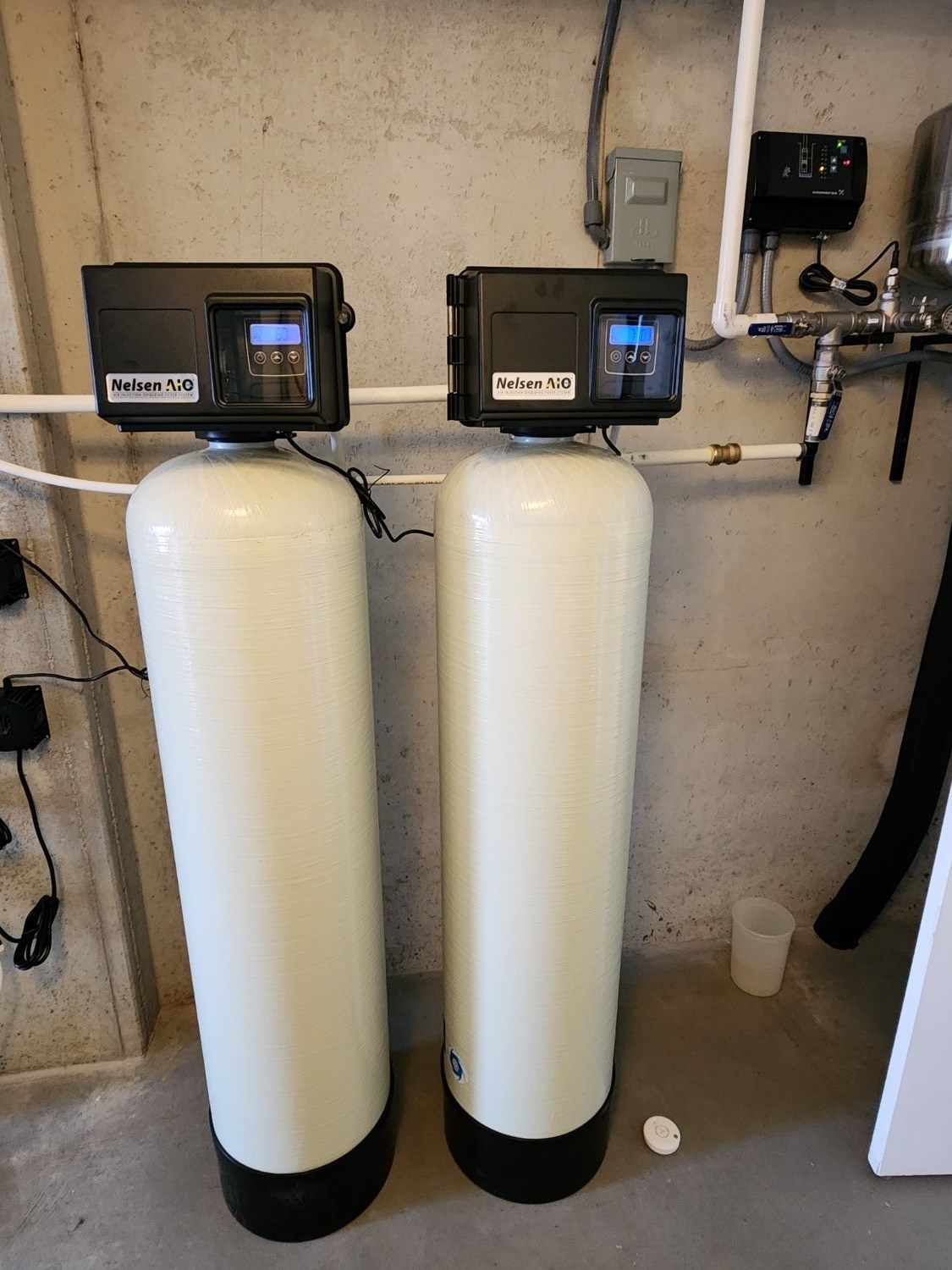
"I had well water with over 20 ppm ferrous and 7 ppm of ferric iron, plus manganese and some sulfur. Local water companies rejected me, said they couldn't help. I purchased two Fleck 2.5 cu. ft. 2510AIO iron filter tanks with Katalox-Light. Problem solved."
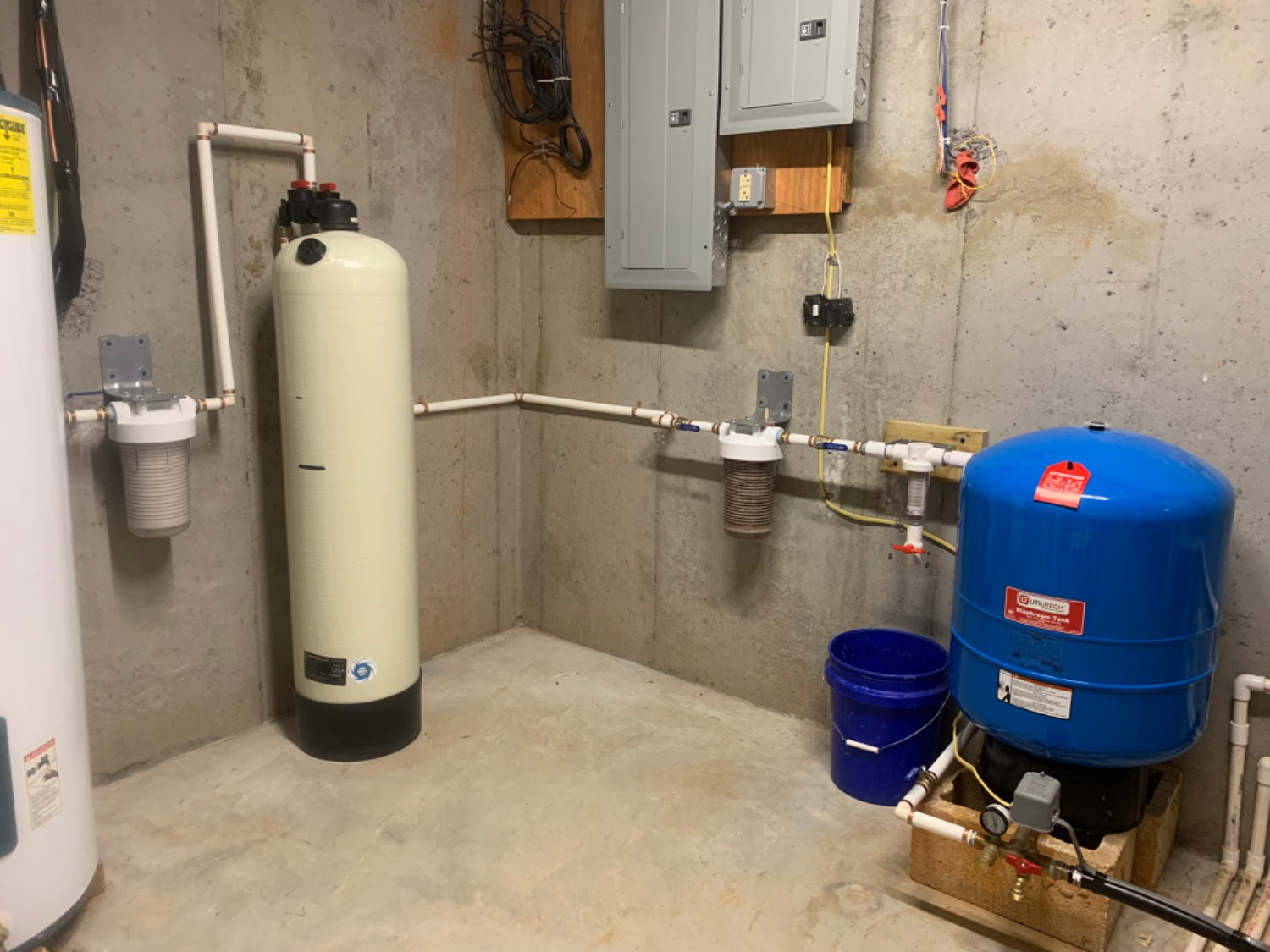
"New house, brass fittings on my Pex were all corroding. Tested the water, acidic at 5.5. Found Mid Atlantic Water YouTube videos which were very helpful, ordered the non-back washing 2.5. Easy install, water tests great now."
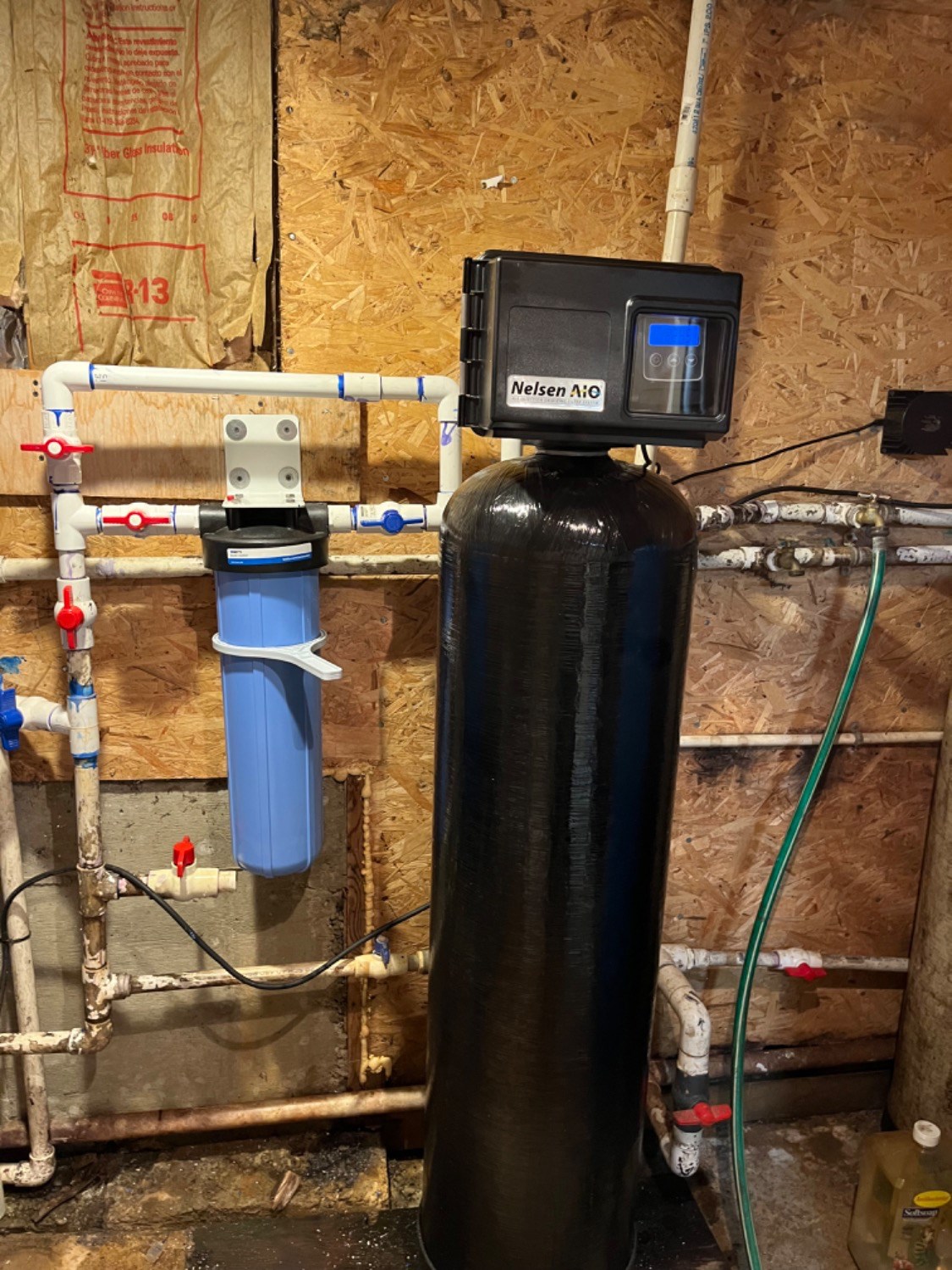
"Straight forward installation. In, out, and the drain. Ran a back wash cycle then put it online and it works GREAT. Cleaned out the iron and raised the pH to 7.5. Culligan tried to sell me something twice the price."
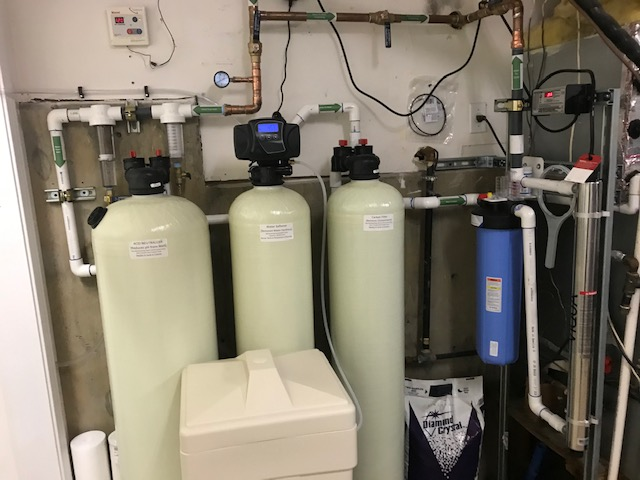
"Three contractors and two other suppliers reviewed my well report. Quotes ranged from $5,000 to $10,000. Then I found Mid Atlantic. Aidan reviewed the report and recommended a complete system. Same equipment, fraction of the cost, and the support was real."
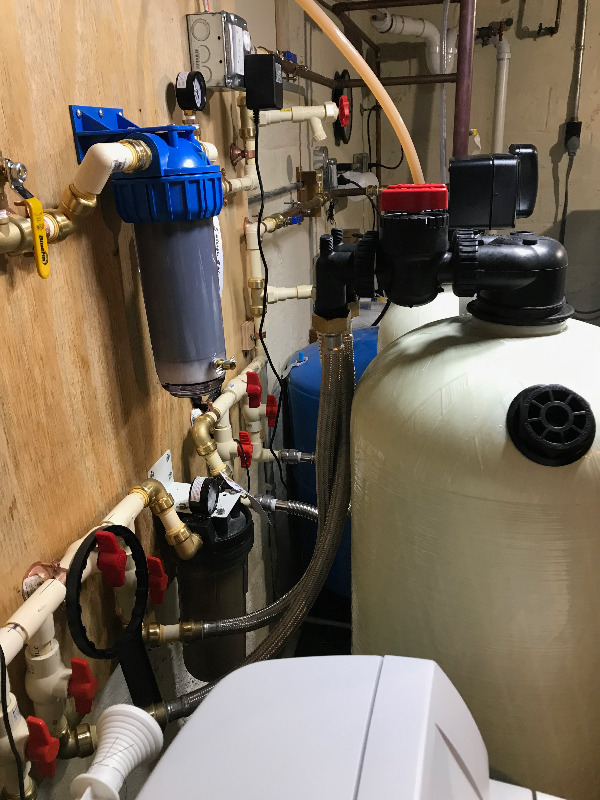
"Easy, bullet-proof installation. No moving parts. Raised my pH from 6.8 to a perfect 7.6. I had previously installed the same unit in my daughter's water system. Her pH was 5.2. Following Aidan's videos, both installs went smoothly."
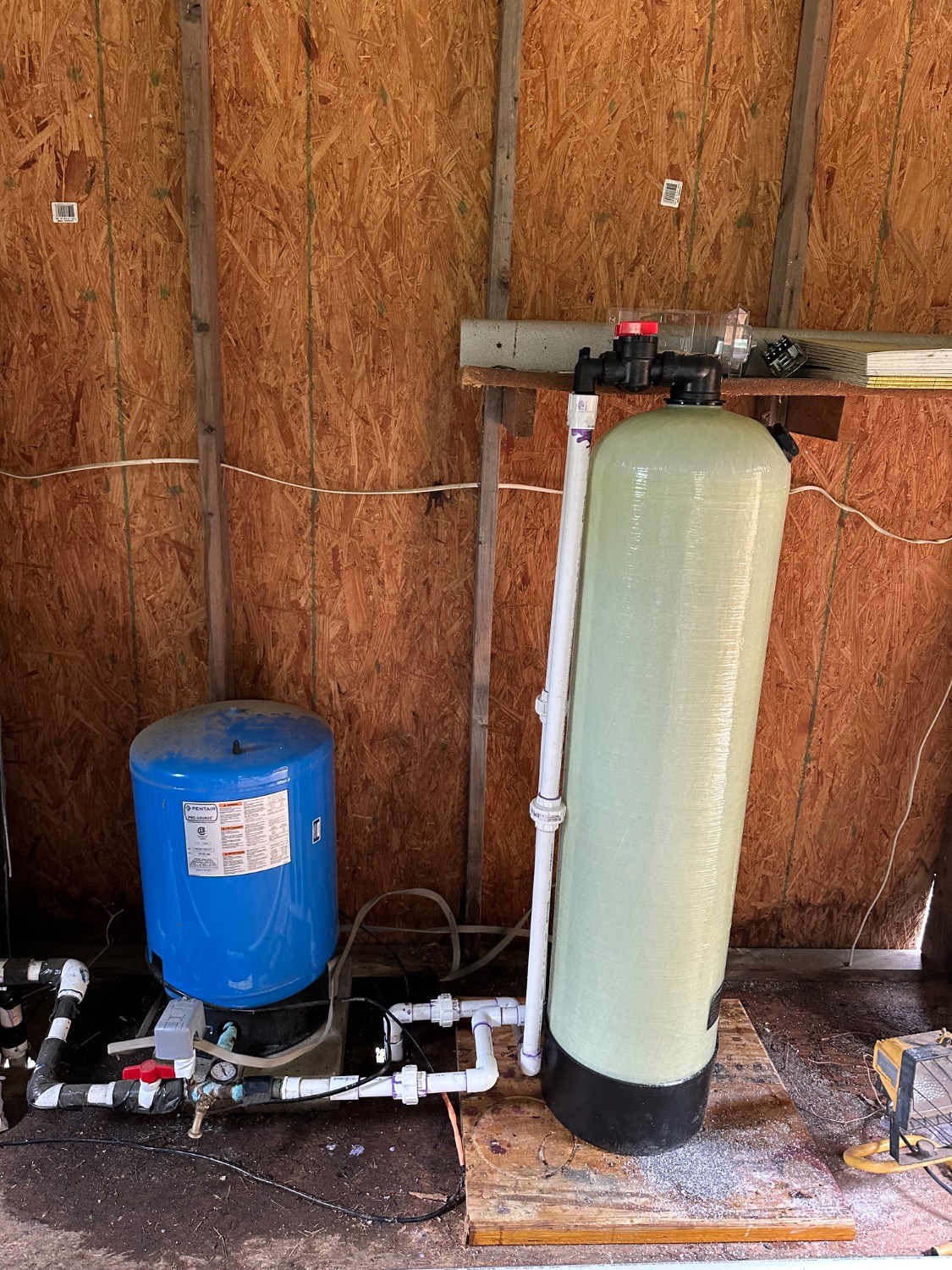
"Super easy install. Shouldn't have to service it for approximately 24-36 months based on my water usage. Tank is solid, fittings are clean, no leaks. Exactly what was advertised."
Want a real human to walk you through whether this is right for you?