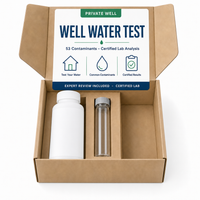
This page is a buying guide for lead water filters for city and well water. It covers: testing first with a $199 certified lab test (first-draw sample, lead among 50+ analytes); under-sink reverse osmosis at the kitchen tap from $275 (the membrane rejects dissolved lead; neither system is certified as a system, stated honestly); calcite acid neutralizers for acidic well water that dissolves lead out of household plumbing; the Pure-75 and MAW-50 compared side by side; what NSF/ANSI 53 and 58 lead certification means; EPA facts including the zero maximum contaminant level goal, the 15 ppb action level dropping to 10 ppb under the 2024 Lead and Copper Rule Improvements, and EPA's guidance that bathing and showering are safe because skin does not absorb lead from water; installation steps; and expert sizing help by phone. We do not currently sell a certified whole-house lead system. Mid Atlantic Water has specialized in water treatment since 1997.
Test first, then reverse osmosis at the kitchen tap
By Aidan· 32-year water expert, Mid Atlantic Water ·
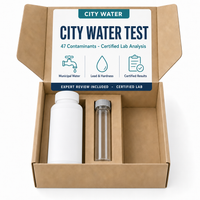
Lead gets into drinking water from lead service lines, pre-1986 lead solder, and brass fixtures, corroded by the water passing through them. It has no taste, smell, or color, and the EPA's health goal is zero. So this page starts where honest lead treatment starts: a $199 certified lab test of a first-draw sample from YOUR tap. With a number in hand, under-sink reverse osmosis covers the kitchen tap you drink and cook from, and on acidic well water an acid neutralizer stops the corrosion at its source. We do not currently sell a certified whole-house lead system. Send Aidan your result or your utility's service line notice and he will tell you what fits, including telling you if you don't need anything.
Reverse osmosis at the kitchen tap from $275
Test-first sizing ($199 certified lab test)
Free shipping to the lower 48 states
30-day return policy
Watch the 3-minute expert answer
After 32 years of expert experience, with over 10,000 customers served since we started Mid Atlantic Water in 1997, the lead rule we never break is test first, treat second. Lead has no taste, smell, or color, so a $199 certified lab number decides everything. With a result in hand, under-sink reverse osmosis covers the kitchen tap where you drink and cook, and on a well, fixing acidic water stops lead at the source.
0 products match your filters.
No products match those filters. Try adjusting your water conditions or .
Under-Sink Reverse Osmosis
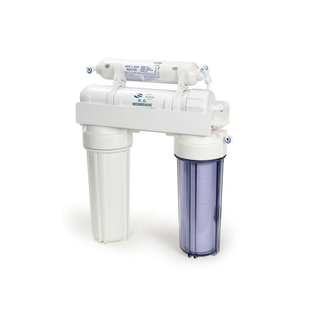
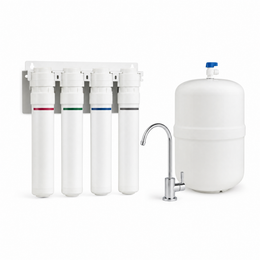
Reverse osmosis as a technology removes dissolved lead at the membrane, and these two systems make it affordable: the Pure-75 with quarter-turn 2-minute filter changes, and the MAW-50 from $275. Neither carries a lead certification, and we say so plainly: after install, a re-test of the tap is what proves the result.
Photo, PDF, or just type the numbers, whatever’s easiest. Don’t have a test yet? Describe what you’re seeing.
2
Aidan reads it personally
Real co-owner. Not a chatbot, not a script, not a sales rep on quota. He’s sized thousands of systems.
3
Get a direct link to what you need
Aidan texts you the exact product page that fits your water. Buy it, bookmark it, or take the answer elsewhere. No pressure either way.
We never send spam. We never sell your number. Aidan answers personally, 7 days a week, 8a–5p ET.
Our two systems
Pure-75 or MAW-50: side by side
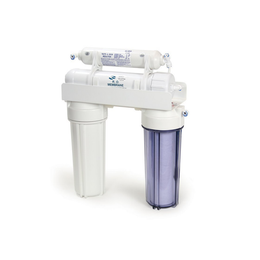
Both come from our supplier, Nelsen, and work the same way: a sediment filter, a carbon filter that takes out the chlorine, a thin-film membrane, a carbon filter after it, a 3.2 gallon tank and their own faucet. The differences are how the filters change, what upkeep costs and the water each one can take. The prices and upkeep are ours; the ratings and limits are from the maker's sheets.
Pure-75
MAW-50
Price
$595
$275 (4-stage), $325 (5-stage)
Stages
4: sediment, carbon block, membrane, carbon block
4 or 5: sediment, carbon block (a second carbon filter on the 5-stage), membrane, in-line carbon
Filter changes
Quarter turn, with the water left on
Standard housings and the included wrench; water shut off first
Upkeep
Cartridges every 6 months; membrane rated 24 months; the $195 kit is the full set
Filter pack every 6 to 12 months ($49 or $59); TFC-50 membrane every 2 to 3 years ($135)
Membrane
75 gallons a day
50 gallons a day
Well water it can handle (maker)
Hardness under 17.5 grains, iron under 1 ppm
Hardness under 15 grains, iron under 0.3 ppm, manganese under 0.05 ppm, no hydrogen sulfide (rotten-egg smell)
Electricity
None: runs on 30 to 100 psi water pressure
None: runs on 30 to 100 psi water pressure
Aidan usually recommends the Pure-75: "That gives the fastest and the highest capacity." The MAW-50 costs less to buy and to keep up. Neither is certified as a system to NSF/ANSI 58.
Nelsen rates the membranes at 91 to 98 percent of dissolved solids under its own test conditions. Cold well water and low pressure make less water and take out a little less.
Step 1: Find Your Problem
What are the signs of lead in drinking water?
Lead gives you no sensory warning: no taste, no smell, no color. The signals that matter are your home's history and your utility's paperwork: a house built before 1986 (lead solder was legal until then), a lead service line on your utility's inventory, or acidic well water quietly dissolving your own plumbing. If any of these applies, a certified lab test tells you your number in ppb, and the number picks the system.
Your home was built before 1986
Lead solder was legal in plumbing until 1986, and many older homes still have it at every copper joint. Homes from the early 1900s through the 1950s may also have a lead service line feeding the house.
→TESTHome age is a signal, the test is proof
Your utility flagged a lead service line
Under the EPA's Lead and Copper Rule Improvements, utilities must inventory lead service lines, notify affected homes, and replace the lines within 10 years. If you got that letter, your service line is the source until it is replaced.
→YESFilter the drinking tap while the line awaits replacement
Acidic well water with blue-green stains
Low-pH well water dissolves copper and lead solder out of your own plumbing. Blue-green staining on fixtures is the visible copper half of that corrosion; the lead half is invisible. Fix the pH with an acid neutralizer AND test for lead.
→TESTFix the pH, then verify lead is gone
Water looks and tastes perfectly fine
Lead has no taste, smell, or color at the levels found in drinking water. The EPA's maximum contaminant level goal is zero because no level of lead exposure is considered safe. The only way to know is a certified lab test of your tap water.
Confirmed lead and want it handled? Start at the kitchen tap: the Pure-75 under-sink RO is $595 and the MAW-50 starts at $275. Want every tap covered? Call Aidan before you order at 800-460-5810: we do not currently sell a certified whole-house lead system, and he will tell you honestly what fits. Keep scrolling for sizing.
Size by scope first, then certification. Drinking and cooking water is the exposure that matters, so an under-sink RO at the kitchen tap covers most homes for $275 to $595. Neither RO system is certified as a system, so a re-test of the tap after install is what proves the result. Wells with acidic water should fix the pH (the root cause) and re-test before sizing lead equipment. Want every tap covered? Call Aidan at 800-460-5810 before you order; we do not currently sell a certified whole-house lead system.
Lead is measured in parts per billion (ppb). The EPA's maximum contaminant level goal is zero: no level of lead exposure is considered safe. The regulatory action level, which triggers utility-wide corrosion control and service line work, is 15 ppb today and drops to 10 ppb under the 2024 Lead and Copper Rule Improvements with compliance starting 2027. Your lab report gives you a ppb number from a first-draw sample; any detect is worth treating at the drinking tap.
Point of use vs whole house
Drinking and cooking water is the exposure that matters: EPA states that bathing and showering are safe even above the action level because skin does not absorb lead from water. That makes under-sink RO the affordable point-of-use play: the Pure-75 covers the kitchen tap for $595 (mechanism-level, not lead-certified). A certified whole-house system covers every tap, ice maker, and pet bowl in one install; we do not currently sell one, so call Aidan if that is what you need. Choose scope by how your home is actually used, not by fear.
Certified flow and capacity
A lead certification is only valid at its tested flow and capacity. A real certified claim states the reduction percentage, the gallon capacity, and the service flow rate together. When a filter quotes a removal percentage with no flow or capacity attached, that is marketing, not certification. Our RO systems carry no lead certification, which is why we tell you to re-test the tap after install.
Lead arrives at your tap two ways: dissolved (soluble) lead leached from pipes and solder, and particulate lead, tiny flakes of solder or brass. A certified lead carbon block handles both: soluble lead bonds to the block's media, and particulate lead is physically strained out. A reverse osmosis membrane works differently: it rejects dissolved lead at the membrane wall and rinses it to the drain. In both cases the certification, not the technology name, is what guarantees the result, and a re-test after install is what proves it.
01
A first-draw lab test finds the invisible problem
Lead has no taste, smell, or color, so treatment starts with a certified lab test of a first-draw sample: water that sat in your pipes overnight, where lead concentrations peak. The report gives you a number in parts per billion. The EPA's health goal is zero, and the regulatory action level is 15 ppb today, dropping to 10 ppb under the 2024 Lead and Copper Rule Improvements.
02
A certified carbon block bonds and strains lead out
Lead carbon blocks certified to NSF/ANSI 53 remove lead two ways at once: soluble (dissolved) lead bonds to the block's media, and particulate lead, tiny flakes of solder and brass, is physically strained out. The certification states the reduction, the gallon capacity, and the flow rate it was tested at. Check all three on any whole-house, faucet, or pitcher filter that claims lead.
03
A reverse osmosis membrane rejects dissolved lead
At the kitchen tap, a reverse osmosis membrane rejects dissolved lead at the membrane wall and rinses it down the drain. After any install, a re-test proves the result. And if the root cause is acidic water dissolving your own plumbing, fixing the pH with an acid neutralizer stops the leaching at its source.
Installation
Installed under one sink by your plumber
We recommend a licensed plumber; Aidan supports your plumber by phone at 800-460-5810. Usually everything goes under one sink: a tap on the cold line, the faucet, a drain saddle on the sink drain, the filter unit and the tank. What ships: the filter unit with its cartridges and membrane, the 3.2 gallon tank, the faucet, tubing, the angle stop adapter, the drain saddle and the tank valve. If your sink has no spare hole, the plumber drills one for the faucet.
30 to 45 min
Plumber time. Aidan's estimate for installing the RO itself, all under one sink.
0 watts
No electricity. Both systems run on your water pressure (30 to 100 psi on the maker's sheets). Nothing to plug in.
Free
Phone support. Aidan supports your plumber by phone at 800-460-5810.
What to have ready
Cold water connection under the sinkThe included angle stop adapter taps the cold supply line. Both systems use push-connect fittings and the included tubing.
A hole for the dedicated faucetEvery system ships with its own lead-free faucet. A spare sprayer or soap dispenser hole works; otherwise your plumber drills one in the sink or counter.
Drain connectionThe membrane rinses what it removes to the drain through the included saddle fitting on the sink drain pipe, above the trap.
Room in the cabinetThe filter unit hangs on the cabinet wall next to the 3.2 gallon tank.
Test your water firstThe maker's hardness, iron and pressure limits are in the comparison table above. Aidan treats about 10 grains of hardness or any iron as the point to treat the house first.
What your plumber does
Your plumber shuts off the cold water under the sink and fits the angle stop adapter on the cold line.
Mounts the faucet in the sink or counter hole and connects its tubing.
Fits the drain saddle on the sink drain pipe, above the trap, and connects the drain tubing.
Hangs the filter unit on the cabinet wall and connects the tubing: cold water to the unit, unit to the tank, tank to the faucet, and the drain.
Opens the tank valve, then the cold water feed, slowly. A soft hiss at the drain is normal while the tank fills. A drip means a fitting needs reseating: push-connect tubing must seat all the way in.
Lets the tank fill, then drains the first tankful or two through the RO faucet before anyone drinks it. Check every fitting for drips again the next day.
Want a second set of eyes before you order? Text Aidan a photo of the space under your sink and your water test. He'll confirm the fit and flag anything your install needs.
Certified vs uncertified lead removal, compared honestly
Lead filtration lives and dies on certification. NSF/ANSI 53 (filtration) and NSF/ANSI 58 (reverse osmosis) certifications mean an ANSI-accredited lab verified the complete system against a published protocol, at a stated flow, for a stated capacity. A 'tested' claim is a one-time lab result with no capacity rating, and an unverified 'reduces lead' claim is marketing. We sell our under-sink RO systems with their status stated plainly: the membrane rejects dissolved lead, and neither system carries a lead certification, which is why we tell you to re-test after install. If a lead filter has no certification and no capacity number, you are buying a guess.
Reviews are collected by Stamped.io, a third-party review service that emails customers after their order. Stamped does not let us edit a review’s words or star rating.
★★★★★
Better than bottled water
After reading the article '63 million Americans exposed to unsafe drinking water' from USA Today, we decided to test our water. And sure enough, we had lead in our water. So we got this system after talking to the people at Mid Atlantic Water about it. This cleared out the lead, and our water tastes better than Fiji bottled water.
SG
Scott G., United States
Verified Buyer
The Water Sanitizer (tested first, then treated lead) · April 2020
★★★★★
Drinking water is perfect
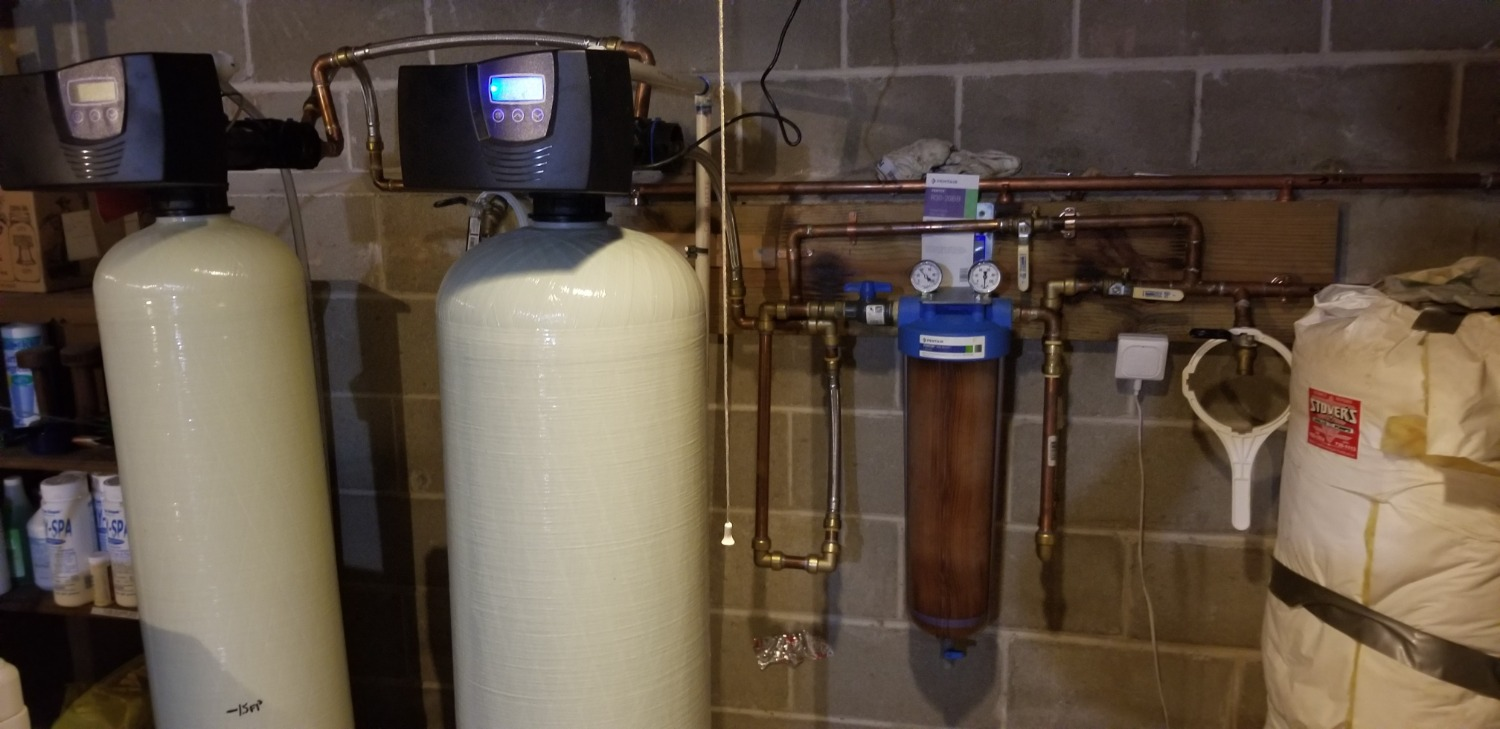
The neutralizer is excellent quality, the control valve works flawlessly. I installed it about 2 years ago and it is keeping (along with a whole house filter) the water clear and removing the iron I had. I also put a small reverse osmosis under the sink just to make sure that the drinking water is perfect.
SS
Stuart S., United States
Verified Buyer
Fleck 2510SXT Acid Neutralizer + Softener (added under-sink RO for drinking water) · March 2020
★★★★★
Great pricing, fast shipping, awesome communication
Mid Atlantic Water was great to deal with. I called before ordering and Aidan answered all my questions, confirmed my research and choices were good and that the equipment would handle and correct the condition of my water. My next purchase will be UV light disinfection and reverse osmosis for the drinking and cooking water for peace of mind because I'm on well water. My family couldn't be happier with the results.
JP
Joseph P., United States
Verified Buyer
Well-X-Trol 205 Well Tank (planning RO for drinking water) · May 2020
FAQ
Frequently asked questions
Yes, if it is certified for lead. Look for NSF/ANSI 53 (filtration) or NSF/ANSI 58 (reverse osmosis) certification with an explicit lead reduction claim from an ANSI-accredited body. Our under-sink RO systems use a membrane that rejects dissolved lead but are not certified as a system, so we tell you to re-test the tap after install. A filter without a lead certification, including most pitchers and fridge cartridges, is a guess.
Only specific models, and only within their rated capacity. Some pitcher and faucet products carry an NSF/ANSI 53 lead claim (Brita's Elite filter line among them); the standard everyday pitcher cartridge does not. Pitcher capacity is also tiny next to a plumbed system, so the claim expires quickly in real use. For dependable lead protection, use a certified under-sink RO at the drinking tap or a certified whole-house system.
Test, because you cannot see, taste, or smell lead. The signals that raise the odds: a home built before 1986 (lead solder was legal until then), a lead service line on your utility's inventory, acidic well water with blue-green staining, or a utility notice. A $199 certified lab test of a first-draw sample gives you the number in ppb, and we read the result with you.
Only your test can answer that, and we mean that honestly. The EPA's health goal for lead is zero, so any confirmed detect at the tap is worth treating, starting with the water you drink and cook with. If your result is clean, you do not need a filter and we will tell you so. While you wait on results or a service line replacement, EPA's free habits help: run the cold tap before drinking if water sat 6+ hours, and use cold water for cooking and baby formula.
Most cannot, and the certification line is where honesty lives. Generic whole-house carbon or KDF filters advertise lead reduction without system-level certification. A few point-of-entry systems are certified to NSF/ANSI 53 for lead, with a stated gallon capacity and flow rate; check for both. We do not currently sell one. Also worth knowing: EPA says bathing and showering are safe even above the action level, so whole-house lead treatment is about covering every drinking tap, not about skin.
No, and we will not sell you whole-house equipment on that fear. EPA's guidance is direct: bathing and showering should be safe for you and your children even if the water contains lead over the action level, because human skin does not absorb lead in water.
The honest case for whole-house lead treatment is different: it covers every drinking tap, the ice maker, the bathroom cups kids drink from, and pets' bowls in one install. Exposure that matters is what you swallow, so if budget decides, protect the kitchen tap first.
The service line is the pipe connecting the water main to your house, and if it is lead, it is the dominant source. Under the EPA's Lead and Copper Rule Improvements (finalized October 2024), utilities must replace lead service lines within 10 years, and many replace them free or cost-shared. Get on your utility's replacement list; that is the permanent fix.
While you wait, filtration is the protective layer: an under-sink RO at the kitchen tap. EPA's free habits help too: run the cold tap before drinking when water sat 6+ hours, and use only cold water for cooking and formula. After the line is replaced, flush thoroughly and re-test, because replacement work can temporarily shake loose particulate lead.
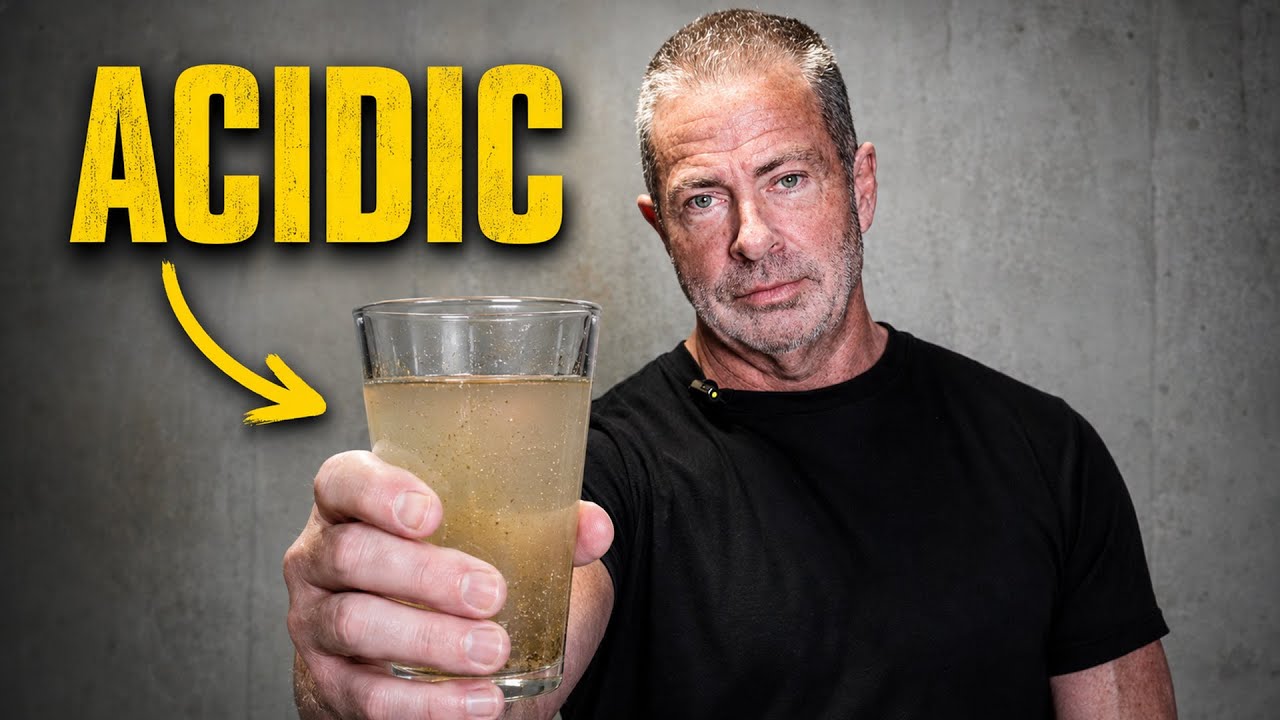
Lead almost never comes from the aquifer. On wells, the source is your own plumbing: lead solder (legal until 1986), brass fittings, and older fixtures, dissolved by corrosive water. The lower your pH, the faster acidic water strips metal from every joint, which is why blue-green copper staining and lead are found together.
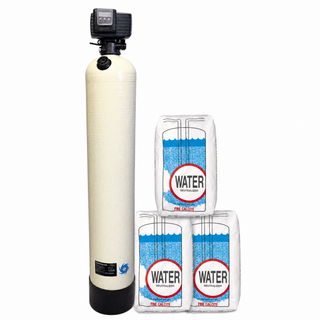
That changes the fix. A calcite acid neutralizer raises the pH to neutral and stops the leaching at its source, protecting the plumbing itself. Then re-test: many wells come back clean on lead once the water stops being corrosive, and an under-sink RO at the kitchen tap covers whatever remains.
No. Boiling concentrates lead rather than removing it: water evaporates, the lead stays. Hot tap water is also worse than cold, because heat pulls more lead from pipes and solder, which is why EPA says to cook and mix formula with cold water only.
Lead comes out of water with certified filtration (NSF/ANSI 53 carbon block), certified reverse osmosis (NSF/ANSI 58), or distillation. That is the honest list.
It is the reason the EPA's health goal is zero. Infants fed reconstituted formula can get 40 to 60% of their total lead exposure from drinking water, and young children absorb more of the lead they ingest than adults do. The CDC uses a blood lead reference value of 3.5 micrograms per deciliter to identify children with elevated exposure.
The response is measured, not panicked: test your tap with a certified lab kit, use cold water for formula, and if lead is confirmed, put certified reduction on the tap you cook and mix with. If a child may already be exposed, ask your pediatrician about a blood lead test; that is the measurement that actually matters.
Paste your lead test result, utility service-line notice, or water test below. Aidan replies with the right system (under-sink RO, an acid neutralizer for corrosive well water, or the test kit first) and install notes for your layout. Same-day during business hours, next morning otherwise.
✓
Your message is queued for Aidan
Your email client just opened with the message ready to send. Hit send and Aidan will reply same day during business hours.
Aidan
Co-owner. Real person. Not a bot. 7 Days/Week, 8AM-5PM EST