Tannin Removal Resin | 1 Cubic Foot Replacement Media
Rebed any whole-house tannin filter with Purolite A850 tannin-selective acrylic anion resin, WQA certified to NSF/ANSI-61. Restores like-new yellow-water removal for a fraction of the cost of a new system.
Tannin-selective media certified to
NSF/ANSI-61
by the WQA
Tannin Removal Resin | 1 Cubic Foot Replacement Media
Rebed any whole-house tannin filter with Purolite A850 tannin-selective acrylic anion resin, WQA certified to NSF/ANSI-61. Restores like-new yellow-water removal for a fraction of the cost of a new system.
Watch before you buy
1 video from our YouTube channel, which has 1.8 million views
Aidan Walsh32 years in water treatment8 AM to 5 PM Eastern
I'm the guy in the videos. Text or call me and I'll help you figure it out. No bots, no call center.
✓1 cubic foot of Purolite A850 - tannin-selective polyacrylic gel strong base anion resin, chloride form
✓WQA certified to NSF/ANSI-61 for potable water use (also Kosher and Halal certified)
✓Factory-sealed box - approximately 42.5-45.6 lbs ship weight per cubic foot
✓Free shipping to all lower 48 states
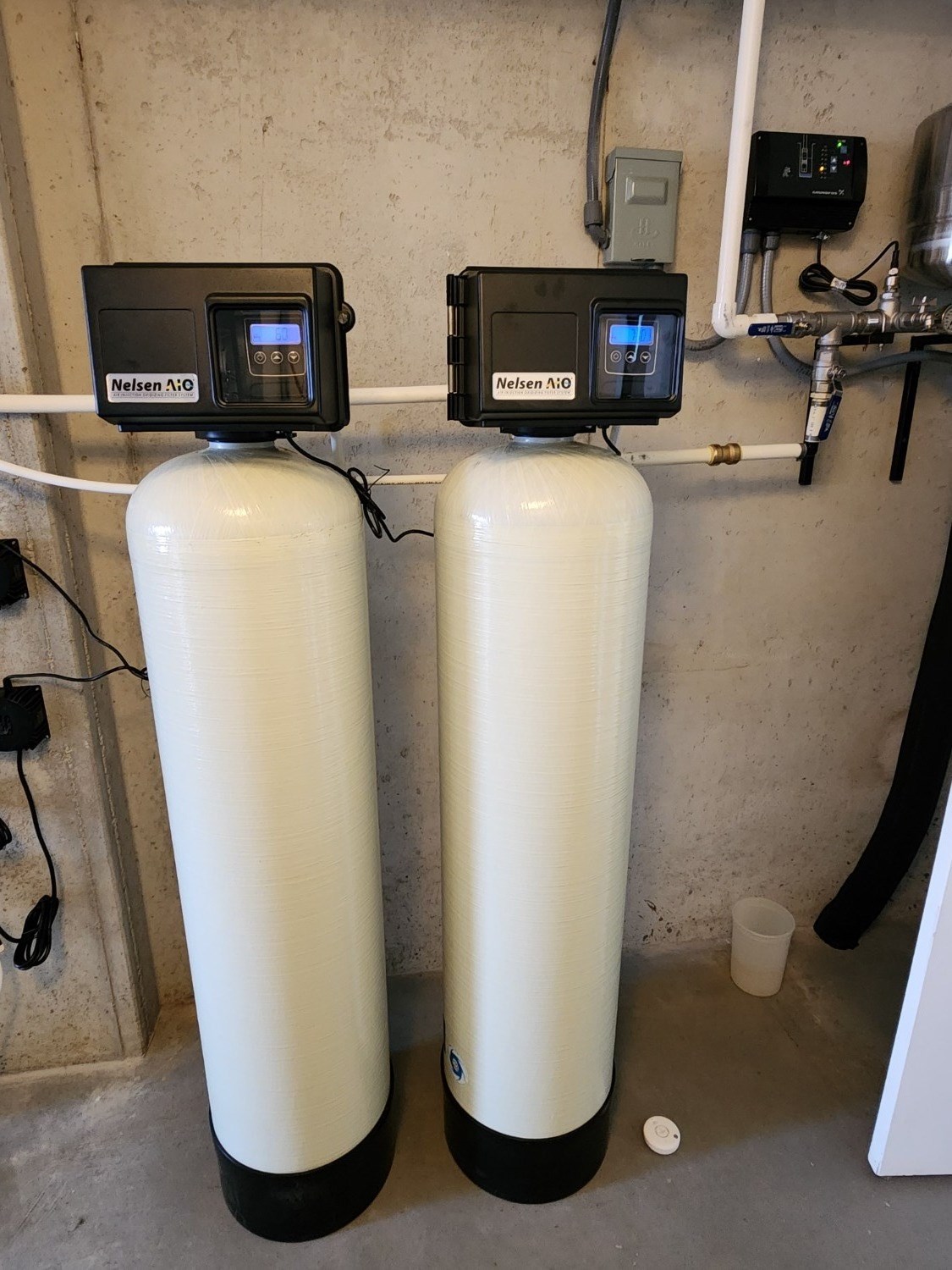
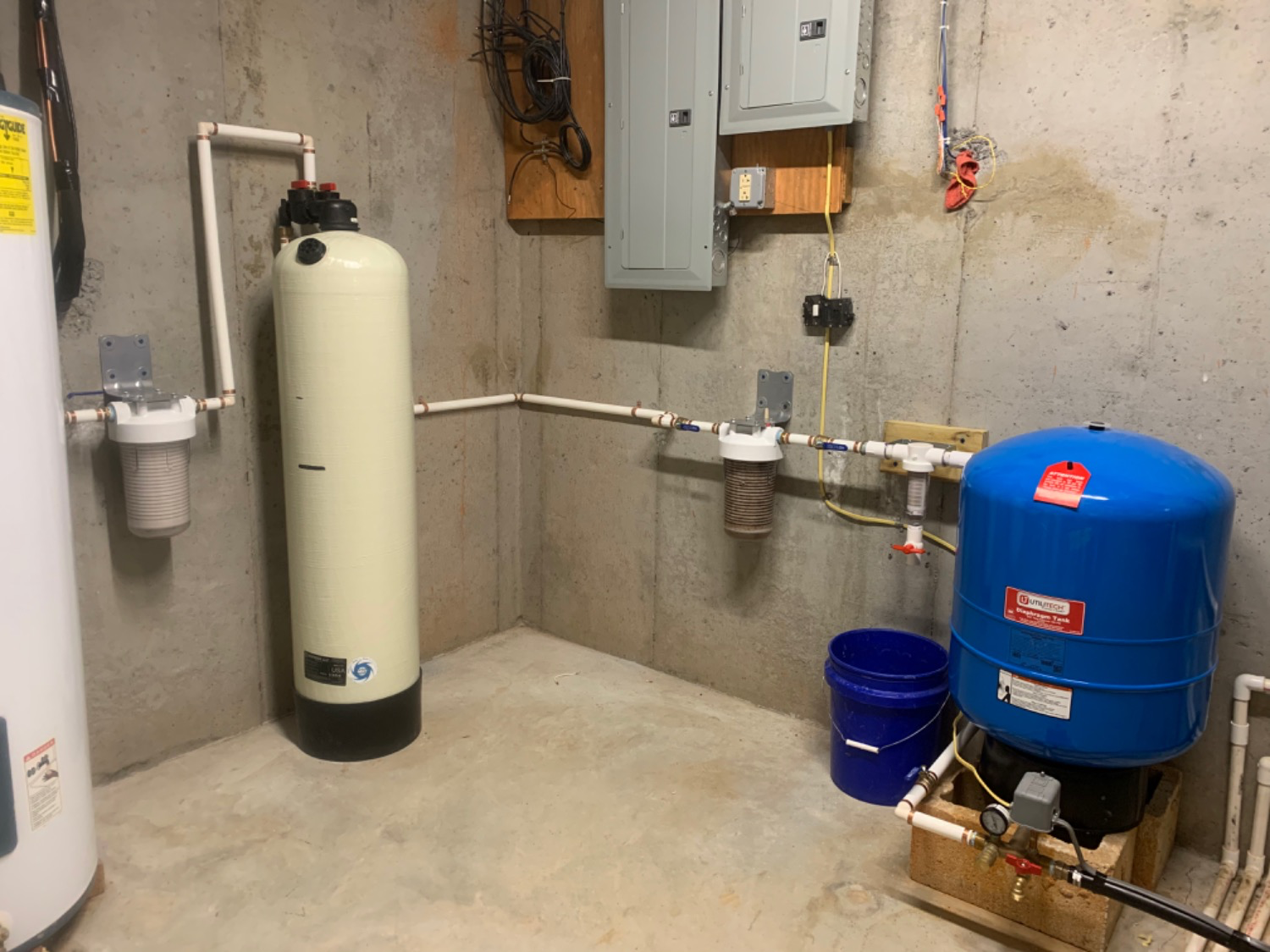
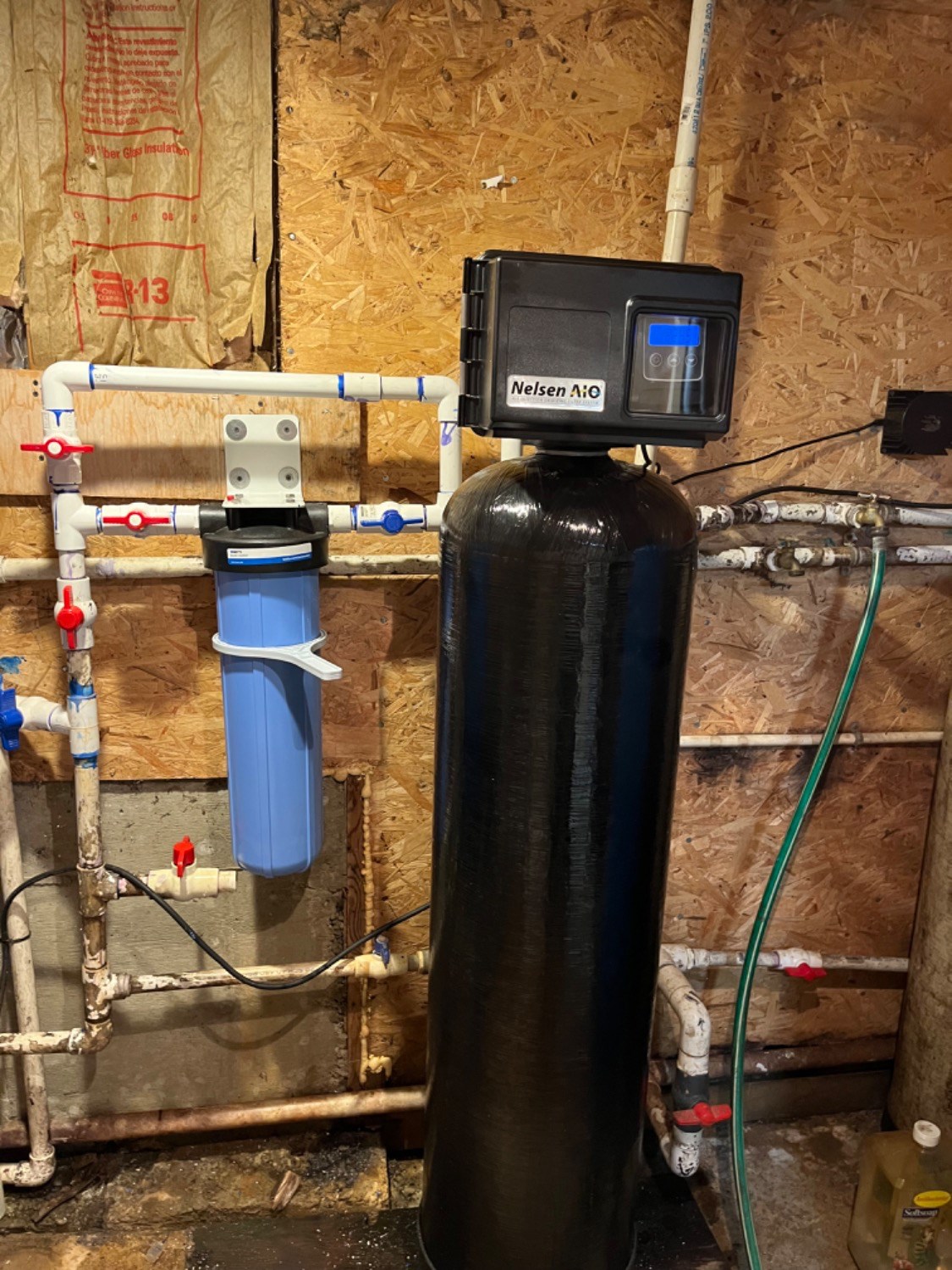
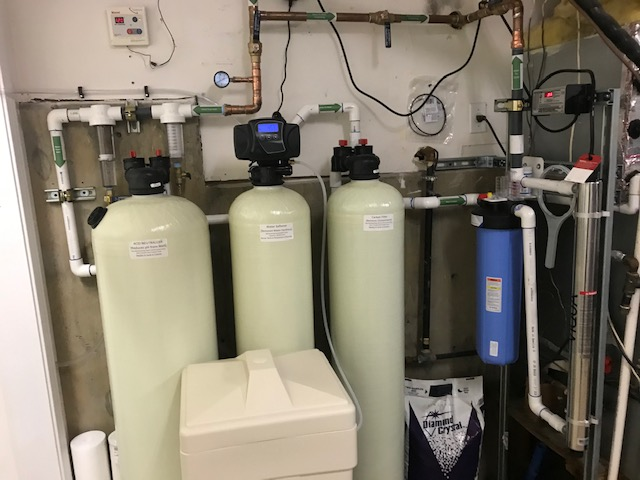
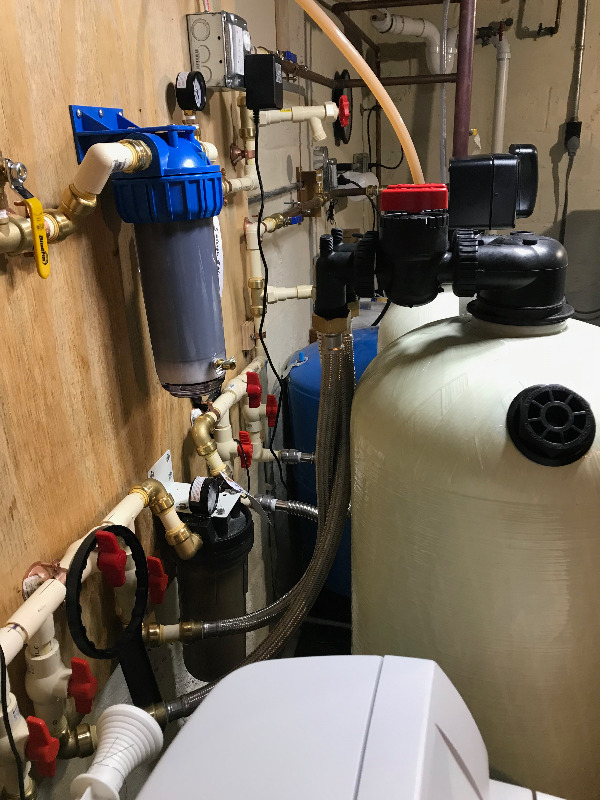
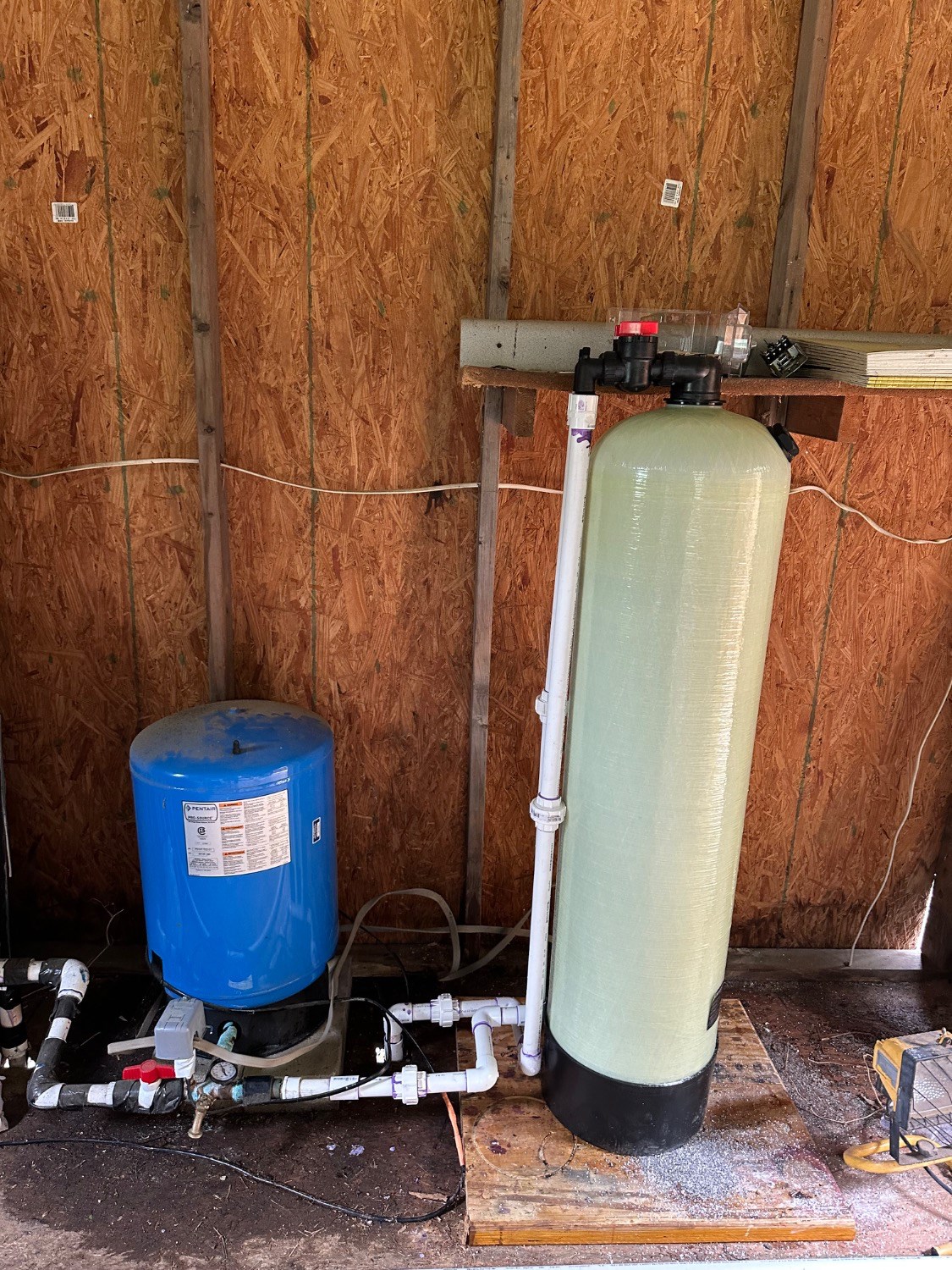
This is loose media in a box - no tank, no valve, no fittings. It rebeds any standard salt-regenerated tannin system, including our Fleck 5600SXT tannin system and the 6 GPM / 10 GPM whole-house systems. Need a complete system instead? See the tannin filter collection.
Resin Properties
Resin
Purolite A850
Type
Polyacrylic gel strong base anion exchange resin
Ionic Form
Chloride (Cl⁻)
Principal Application
Organic matter (tannin) removal from potable water
Total Capacity
1.25 eq/L (27.3 Kgr/ft³, Cl⁻ form)
Shipping Weight
42.5 - 45.6 lbs per cubic foot
Quantity
1 cubic foot per box
Operating Conditions
Temperature Limit
95 F (35 C)
Regeneration
Sodium chloride brine (ordinary water softener salt)
Fouling Resistance
Excellent - polyacrylic structure releases captured organics on regeneration (styrenic resins hold them and foul)
Pretreatment
Remove hardness upstream (softener) and keep sediment off the bed for longest life
A rebed is a half-day job for the owner or a plumber with basic tools. The valve and tank stay; only the resin changes. We'll walk you through it on the phone if you want company.
How Much Resin Do You Need?
Tank Size
Resin Volume
Boxes Needed
9" x 48"
~1.0 cu ft
1 box
10" x 54" (Fleck 5600SXT & 6 GPM systems)
~1.5 cu ft
2 boxes (media left over)
13" x 54" (10 GPM system)
~2.5 cu ft
3 boxes (media left over)
Not sure what your tank holds? Call us at 800-460-5810 or text Aidan at 443-277-2204 with the tank diameter and height (printed on the tank label) and we'll tell you in two minutes.
Rebedding Steps
Bypass the system, relieve pressure at a downstream faucet, and unplug the valve.
Disconnect the control valve and unscrew it from the tank.
Remove the spent resin - a shop vac or media exchange funnel keeps this clean. Spent tannin resin goes in the trash.
Rinse the tank and check the riser tube and lower distributor basket for damage.
With the riser tube capped so media can't fall in, pour in the new A850 to the correct volume for your tank.
Reinstall the valve, slowly open the bypass, and run a manual regeneration to settle and brine the new bed before returning to service.
Need help? Call 800-460-5810 or text Aidan at 443-277-2204 - 7 days a week. Tell us your tank size and system model and we'll confirm the resin volume and walk you through the rebed.
Rebed It Right: Purolite A850 Tannin-Selective Resin
The acrylic chemistry that resists organic fouling - not unnamed bulk anion media
Purolite A850 is a polyacrylic gel strong base anion exchange resin in chloride form, designed for organic matter and tannin removal from potable water and certified by the WQA to NSF/ANSI-61. This 1 cubic foot box is the rebed media for any standard salt-regenerated whole-house tannin system, including all three tannin systems we sell.
The polyacrylic chemistry is the entire reason to insist on this resin for tannin duty. Styrene-based anion resins capture dissolved organics but will not release them during regeneration, so the bed fouls and performance fades within seasons. A850's acrylic structure has excellent resistance to organic fouling: it releases what it captures to the drain on every salt brine cycle, which is why an A850 bed regenerated frequently keeps clearing yellow water for years.
Before you rebed, confirm the bed is actually spent: returning yellow tint can also be iron, and a fishy odor often just means the bed needs a cleaning cycle rather than replacement. Send us a recent lab test and we will tell you honestly whether you need this box, a cleaning cycle, or a different fix entirely.
Frequently Asked Questions
Three signs, in order of likelihood. First, yellow tint returning even after a fresh regeneration cycle. Second, a fishy or musty odor in the treated water that a cleaning cycle (salt plus baking soda) no longer fixes - that is organics permanently fouled into the bed. Third, the bed is simply old: well-maintained tannin resin typically serves for years, but no bed lasts forever. Before buying, rule out iron: it causes the same yellow symptom and a rebed will not fix it. A certified lab test reporting Tannin-Lignin plus iron tells you which problem you have.
If your system is a salt-regenerated anion exchange tannin filter (a mineral tank, a softener-style control valve, and a brine tank), yes. That covers our Fleck 5600SXT tannin system, our 6 and 10 GPM whole-house systems, and virtually every residential tannin filter on the market regardless of brand. What matters is volume: measure your tank diameter and height, check the sizing table in the Rebedding tab, or call us with the numbers.
Fouling resistance. Tannin molecules are large organics that styrene-based anion resins grab but cannot release during regeneration, so a styrenic bed loads up with organics and quits, often within a season or two. Purolite A850's polyacrylic gel structure releases captured organics to the drain every brine cycle - Purolite's datasheet calls out its excellent resistance to organic fouling. That difference is the entire service life of the bed.
By tank size: a 9x48 tank holds about 1 cubic foot (1 box), a 10x54 holds about 1.5 cubic feet (2 boxes with media left over), and a 13x54 holds about 2.5 cubic feet (3 boxes with media left over). The diameter and height are printed on the tank label. If you'd rather not buy a full extra box for a half-foot top-off, call us and we'll figure out the cheapest path.
Yes - it is a half-day job with basic tools. Bypass the system, pull the valve, vacuum out the spent resin, rinse the tank, check the riser tube, pour in the new media with the riser capped, reinstall the valve, and run a manual regeneration. No plumbing changes, because the tank and valve stay. The full step-by-step is in the Rebedding tab, and we will walk you through it on the phone 7 days a week if you want company.
Years, if it regenerates frequently. Organics that sit on an anion bed too long migrate into the resin matrix and become hard to strip, so program the valve to regenerate every two to three days rather than stretching capacity. Two other life-extenders: keep hardness off the bed (a softener upstream) and keep sediment out (a pre-filter). Do that and the salt is your only ongoing cost until the next rebed, years out.
No. Spent residential tannin resin is ordinary solid waste: bag it and put it in the trash, following any local guidance. The organics it captured are natural plant compounds, not hazardous chemicals. Never rinse loose resin down a drain - the beads can settle in traps and plumbing low spots.
Yes. Purolite A850 is certified by the WQA to NSF/ANSI-61, the standard covering materials in contact with potable water, and it is also Kosher and Halal certified. After a rebed, run a manual regeneration and flush until the water runs clear before returning the system to service - standard practice for any fresh media bed.
Named, certified acrylic tannin resin vs unnamed bulk beds
What you get with cheap bulk anion resin
Bulk 'tannin resin' sold online is usually unnamed, and that matters more here than almost anywhere else in water treatment. If the bead is styrene-based, it will capture organics and then refuse to release them during regeneration - the bed fouls, the yellow tint comes back, and you are rebedding again in a season or two. The listing never names the chemistry, so you find out the hard way.
Cheap media also frequently ships without potable water certification, meaning no third party has verified the resin itself is safe to put in your drinking water.
The Real Cost Comparison
Unnamed Bulk Anion Resin
$300 - $600
❌Lifespan: Fails in 3-4 years
❌Result: Frequent repairs, poor water quality, leaks
❌Support: None
Unknown chemistry, often uncertified, may foul in seasons
Best Long-Term Value
Purolite A850 (1 cu ft)
$895
✅Lifespan: Lasts 15+ years with routine media replacement
✅Result: Done right the first time, peace of mind
✅Support: Lifetime USA Support
Tannin-selective acrylic, WQA certified, expert rebed support
A rebed is already the budget-smart move - hundreds instead of thousands for a new system. The trap is rebedding with the wrong chemistry and doing it again in two seasons. A fouled styrenic bed costs the same labor to swap as an acrylic bed that lasts years, so the cheapest resin per pound is rarely the cheapest resin per year of clear water.
What you get with Purolite A850
A850 is Purolite's purpose-built tannin resin: a polyacrylic gel strong base anion resin whose datasheet specifically lists organic matter and tannin removal as its principal applications, with excellent resistance to organic fouling. It is WQA certified to NSF/ANSI-61 for potable water, plus Kosher and Halal certified.
And you get the part no bulk seller offers: a real person who will check whether your bed is actually spent before you spend money, confirm the volume your tank needs, and walk you through the rebed on the phone, 7 days a week.
Contact Us
800-460-5810
We're here to help.
30-Day Returns on Unopened Items
30 days from delivery to make sure it's right for your system
New, unopened items can be returned within 30 days of delivery, with our approval first. A 25% restocking fee applies and you pay the return freight. Opened media, cartridges and membranes cannot be returned. If something arrives damaged or wrong, tell us within 3 days of delivery. Filter media performance is not covered by any warranty. Full terms are in our Refund Policy.
10,000+Systems Installed
455+Verified Reviews
We've been helping homeowners solve well water problems for over 30 years. Media is the cheapest part of a tannin system to get wrong twice, so we'd rather spend five minutes on the phone confirming the diagnosis than sell you a box you don't need.
Why We Confirm the Order First
+
Opened media cannot be resold, so it cannot be returned. That is why we check the fill volume, bed depth and flow rate with you before you order. Send us your water test and tank size first; getting the right resin the first time is the whole point.
How Returns Work
1
Arrived Damaged, Missing or Wrong?
Tell us within 3 days of delivery if the item is damaged, missing or wrong. For shipping damage, you file the carrier claim and we help with it.
2
Need to Return It?
Call 800-460-5810 or text Aidan at 443-277-2204 within 30 days of delivery. New, unopened items can be returned with our approval. A 25% restocking fee applies, and you pay the return freight.
Refund Issued
Once the unopened box is back and approved, we refund your original payment method, minus the 25% restocking fee.
Before you order resin, send me a recent water test or just describe what changed: when the yellow came back, whether there's an odor, how old the bed is. Half the time the right answer is a cleaning cycle or a regeneration schedule change, not a rebed - and I'll tell you that for free.